

Why stress relief annealing is required after transformer steel blanking
Introduction
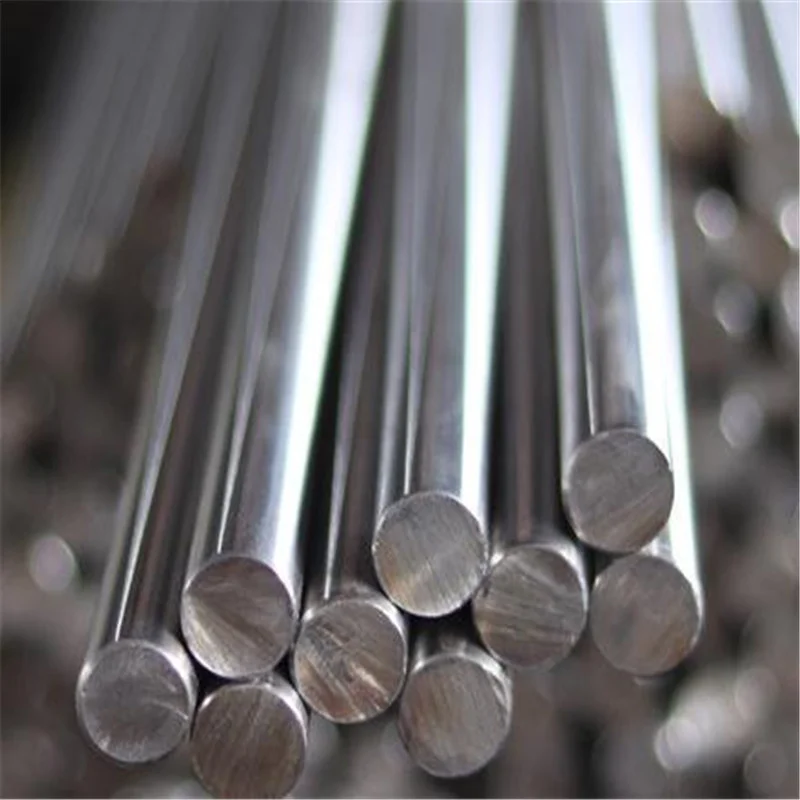
Transformer steel, also known as electrical steel, plays a vital role in power distribution. After blanking, this material often suffers from internal stress. That stress harms magnetic properties and increases power losses. Therefore, stress relief annealing becomes necessary. This article explains why this heat treatment step is required after transformer steel blanking.
What Happens During Blanking
Blanking uses mechanical shearing to cut steel sheets. This process deforms the crystal structure near cut edges. Consequently, dislocations and residual stress accumulate in the material. Such stress disrupts magnetic domain alignment. As a result, core losses rise and permeability drops. Without treatment, transformer efficiency suffers significantly.
The Role of Stress Relief Annealing
Stress relief annealing heats the steel to a specific temperature. Then it holds that temperature for a set time. Finally, controlled cooling follows. This thermal cycle allows atoms to rearrange. Thereby, internal stress relaxes and dislocations reduce. The magnetic domains realign more freely. Core loss decreases and permeability improves. In short, annealing restores the steel’s magnetic performance.
Why Blanking Makes Annealing Essential
Blanking introduces severe local deformation. That deformation cannot be reversed by simple handling. For instance, punched edges become hardened and brittle. Without annealing, these regions generate excessive heat during operation. Over time, transformer performance degrades. Stress relief annealing after blanking solves this problem. It ensures consistent magnetic behavior across the entire core.
Effects on Core Loss and Efficiency
Core loss includes hysteresis and eddy current losses. Residual stress from blanking increases hysteresis loss. Annealing reduces this loss substantially. Lower core loss means less wasted energy. Thus, the transformer operates at higher efficiency. For manufacturers, this step directly affects product quality and energy ratings.
Influence on Magnetic Permeability
Permeability measures how easily magnetic flux passes through steel. Blanking stress pins magnetic domain walls. This pinning lowers permeability. Stress relief annealing unpins those walls. As a result, flux flows more smoothly. Higher permeability allows smaller core sizes. That benefit saves material and space in transformer design.
Preventing Cracking and Brittleness
Blanking can create micro-cracks along cut edges. These cracks may propagate under magnetic cycling. Stress relief annealing heals some defects. It also reduces brittleness by softening the affected zone. Therefore, the core becomes more durable. This durability extends transformer service life.
Process Parameters and Best Practices
Annealing temperature typically ranges from 750 to 850 degrees Celsius. Atmosphere control prevents oxidation. Dry hydrogen or nitrogen often serves this purpose. Cooling must be slow to avoid new stress. Each steel grade may need specific settings. Following proper parameters ensures optimal stress relief.
Economic and Quality Considerations
Annealing adds cost and time to production. However, it prevents costly field failures. It also meets customer efficiency standards. Many international specifications require this step. Skipping annealing may save short-term costs. Yet it leads to higher long-term losses. Therefore, stress relief annealing is a sound investment.
Conclusione
Stress relief annealing after transformer steel blanking is not optional. It is a fundamental requirement for magnetic performance. Blanking creates harmful residual stress. Annealing removes that stress and restores domain alignment. As a result, core loss drops and permeability rises. The transformer becomes efficient, durable, and reliable. Manufacturers should treat this step as essential. By doing so, they ensure product quality and meet energy goals.





 English
  Japanese
  Korean
  French
  German
  Spanish
  Portuguese
  Russian
  Arabic
  Italian
  Turkish
  Dutch
Dutch  Polish
  Swedish
  Danish
  Norwegian
  Finnish
  Greek
Greek  Hungarian
  Czech
Czech  Romanian
  Bulgarian
  Slovenian
  Croatian
  Slovak
  Malay
Malay  Indonesian
  Thai
Thai  Vietnamese
  Myanmar
  Khmer
Khmer  Lao
Lao  Tagalog
  Hindi
Hindi  Bengali
  Urdu
Urdu  Nepali
  Sinhala
  Hebrew
  Ukrainian
  Serbian
  Icelandic
  Swahili