
What transformer steel is adopted for wound core (R-type) transformers
Introduction
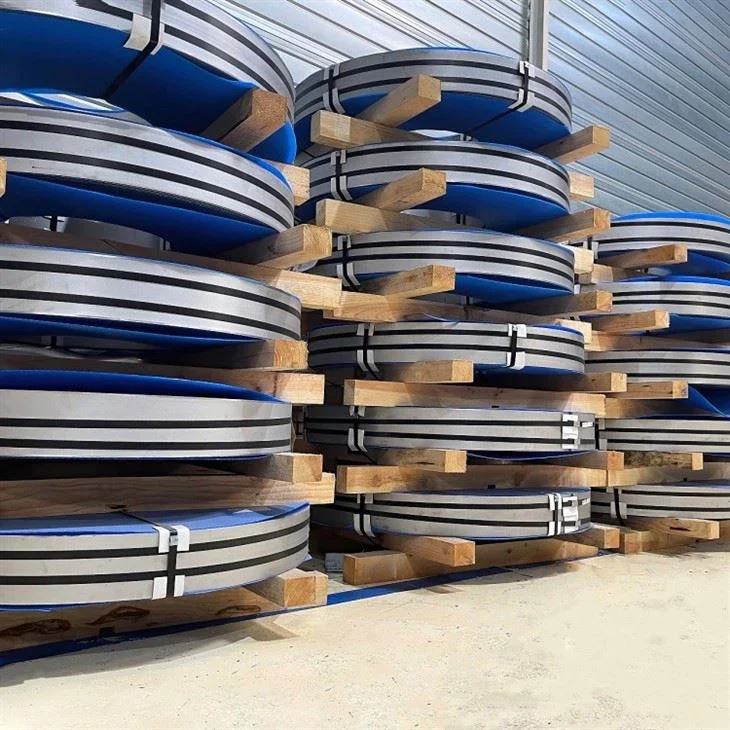
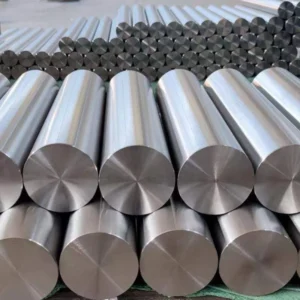
Wound core transformers, often called R-type transformers, rely on a continuous strip of steel. This design reduces magnetic losses and improves efficiency. Therefore, the choice of transformer steel is critical. This article explains what transformer steel is adopted for wound core transformers. It also covers key material properties and practical selection factors.
Why Wound Core Transformers Need Special Steel
A wound core uses a thin strip wound into a ring shape. This structure avoids air gaps. Air gaps increase reluctance and energy loss. Thus, the steel must have high permeability. It must also have low core loss. Common steels for this purpose include grain-oriented baja silikon. This steel aligns its magnetic domains along the rolling direction. As a result, it performs well in wound cores. The strip thickness usually ranges from 0.23 mm to 0.35 mm. Thinner strips reduce eddy current losses. However, they also raise production costs. Manufacturers balance these factors carefully.
Grain-Oriented Baja Silikon as the Primary Choice
Grain-oriented baja silikon is the most adopted material for R-type transformers. It contains about 3% silicon. Silicon increases resistivity and reduces eddy currents. The grain orientation process creates a strong magnetic direction. Wound cores benefit from this because the flux path follows the strip length. Typical grades include M4, M3, and M2. Higher grades have lower core loss. For example, M2 steel offers very low loss at high frequencies. However, it costs more than standard grades. Engineers select the grade based on operating frequency and temperature rise limits.
Alternative Steels and Their Limitations
Other steels exist, but they see less use in wound cores. Non-oriented silicon steel has random grain orientation. It costs less but has higher core loss. Thus, it suits low-efficiency applications only. Amorphous steel offers very low loss. Yet it is brittle and hard to wind into tight cores. Nickel-iron alloys provide high permeability. But they are expensive and sensitive to stress. Consequently, grain-oriented silicon steel remains the dominant choice. It offers the best balance of performance, cost, and manufacturability.
Key Material Properties for Selection
When choosing transformer steel for wound cores, several properties matter. Core loss determines heat generation and efficiency. Permeability affects magnetizing current. Saturation flux density limits maximum power handling. Thickness influences eddy current losses. Insulation coating provides electrical resistance between layers. Stress sensitivity affects performance after winding. Finally, cost and availability shape real-world decisions. A qualified engineer tests these properties against the transformer’s design goals.
Practical Considerations in Manufacturing
Winding a core from steel strip demands careful handling. The strip must stay clean and free from burrs. Tension during winding affects magnetic properties. Annealing after winding relieves stress and improves performance. However, annealing conditions must match the steel grade. Cutting and joining methods also matter. A poor joint increases reluctance. Therefore, manufacturers use precise slitting and butt joints. These steps preserve the steel’s magnetic quality. Without them, even the best steel fails to deliver expected results.
Kesimpulan
In summary, wound core or R-type transformers mainly adopt grain-oriented silicon steel. This steel provides low core loss, high permeability, and good manufacturability. Alternative materials exist but rarely match this balance. Selection depends on frequency, cost, and thermal limits. Engineers should also consider strip thickness and insulation. Proper winding and annealing further protect performance. By understanding these factors, buyers and designers can specify the right transformer steel. This leads to efficient, reliable, and long-lasting wound core transformers.





 English
  Japanese
  Korean
  French
  German
  Spanish
  Portuguese
  Russian
  Arabic
  Italian
  Turkish
  Dutch
Dutch  Polish
  Swedish
  Danish
  Norwegian
  Finnish
  Greek
Greek  Hungarian
  Czech
Czech  Romanian
  Bulgarian
  Slovenian
  Croatian
  Slovak
  Malay
Malay  Indonesian
  Thai
Thai  Vietnamese
  Myanmar
  Khmer
Khmer  Lao
Lao  Tagalog
  Hindi
Hindi  Bengali
  Urdu
Urdu  Nepali
  Sinhala
  Hebrew
  Ukrainian
  Serbian
  Icelandic
  Swahili