
Differences in Electrical Steel Selection Between Dry-Type Transformers and Oil-Immersed Transformers
Dry-type transformers and oil-immersed transformers have different working environments and heat dissipation conditions. Their selection standards for electrical steel show obvious targeted differences.
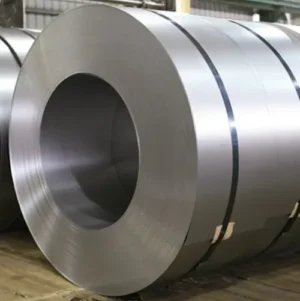
Oil-immersed transformers adopt conventional low-loss oriented electrical steel. Oil immersion provides good heat dissipation and stable temperature environment. Ordinary 30Q120, 30Q110 steel grades meet operational needs. Cost performance is the core selection priority.
Oil-immersed equipment allows relatively wider steel specification range. Sufficient oil circulation takes away core heat. It tolerates slight loss fluctuation of electrical steel. Ordinary grain-oriented steel can fully adapt to oil-immersed working conditions.
Dry-type transformers require higher-grade low-loss electrical steel. Dry-type equipment relies on air natural cooling. Its heat dissipation efficiency is far lower than oil immersion. High-loss steel easily causes overheating failure.
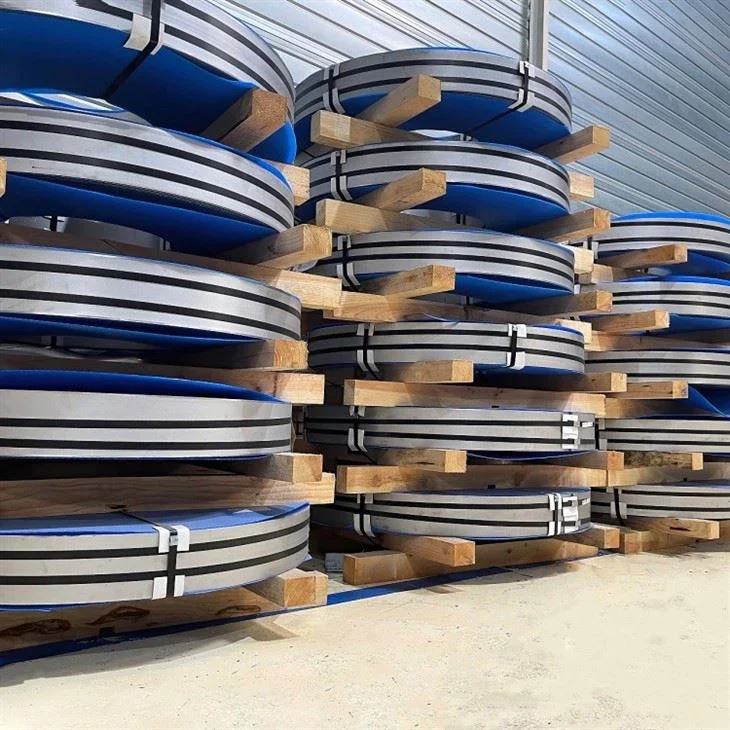
Dry-type transformers prefer laser scribed and HiB high-performance steel. Ultra-low core loss reduces core heat generation fundamentally. It avoids temperature overrun under air cooling conditions. It guarantees long-term stable operation.
Insulating coating requirements differ greatly for the two types. Dry-type transformers need high-temperature resistant C6 or C7 coatings. It adapts frequent temperature changes of air cooling. Oil-immersed transformers can adopt conventional C5 coatings.
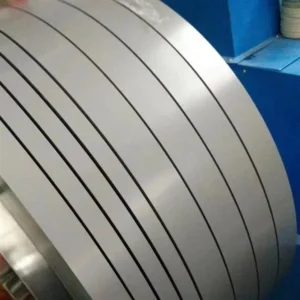
Thickness selection also has obvious differences. Dry-type transformers prioritize 0.27mm and 0.23mm thin steel. Thin steel reduces loss and heat generation. Oil-immersed transformers commonly use 0.30mm economical steel.
In short, dry-type transformers have stricter electrical steel selection standards. They pursue ultra-low loss and high thermal stability. Oil-immersed transformers focus more on cost and basic performance balance.







 English
  Japanese
  Korean
  French
  German
  Spanish
  Portuguese
  Russian
  Arabic
  Italian
  Turkish
  Dutch
Dutch  Polish
  Swedish
  Danish
  Norwegian
  Finnish
  Greek
Greek  Hungarian
  Czech
Czech  Romanian
  Bulgarian
  Slovenian
  Croatian
  Slovak
  Malay
Malay  Indonesian
  Thai
Thai  Vietnamese
  Myanmar
  Khmer
Khmer  Lao
Lao  Tagalog
  Hindi
Hindi  Bengali
  Urdu
Urdu  Nepali
  Sinhala
  Hebrew
  Ukrainian
  Serbian
  Icelandic
  Swahili