
What will happen if the rolling direction of transformer steel is applied reversely
Transformer steel plays a critical role in electrical equipment. Its grain orientation supports efficient magnetic flux. However, what will happen if the rolling direction of transformer steel is applied reversely? This question matters for designers and maintenance teams. A wrong installation can quietly reduce performance. It can also raise operating costs over time. This article explains the main effects in clear terms.
Understanding the Rolling Direction of Transformer Steel
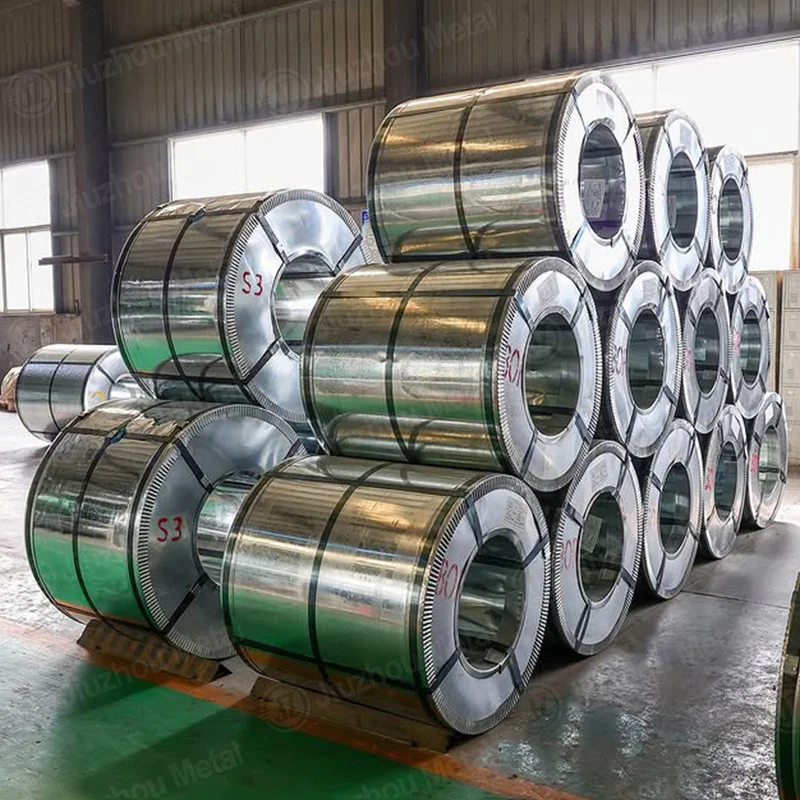
Transformer steel is a special szilíciumacél product. Manufacturers roll it in one primary direction. This process aligns the grain structure along that axis. The result is high magnetic permeability in that direction. Engineers call this grain-oriented electrical steel. It carries flux best along the rolling direction. Therefore, the rolling direction of transformer steel guides core design. A typical core uses this direction for magnetic paths. The goal is low core loss and stable operation.
Magnetic Permeability Drop and Core Loss Rise
When someone applies the rolling direction reversely, the easy magnetization axis turns wrong. Magnetic permeability then drops sharply. The core needs more current to create the same flux. At the same time, core loss increases. Hysteresis loss and eddy current loss both go up. This change produces extra heat inside the core. The transformer runs hotter under normal load. Over time, insulation may age faster. In short, reverse application harms magnetic efficiency. It also reduces the effective capacity of the unit.
Excitation Current and Voltage Regulation Problems
A reversed rolling direction also affects excitation current. The core draws more reactive power from the source. This raises the no-load current. As a result, voltage regulation becomes poorer. The output voltage may sag under load. Sensitive equipment can suffer from unstable supply. In addition, the power factor may decline. Utilities often penalize low power factor operation. Therefore, reverse application creates both technical and financial pressure. It is not a harmless mistake.
Mechanical and Thermal Stress in the Core
Grain-oriented steel is sensitive to stress. Reverse application often forces flux across the grain. This cross-grain flux creates local hot spots. The core may develop uneven temperature profiles. Thermal expansion then adds mechanical stress. Laminations can shift or rub against each other. This friction damages insulation coatings. In severe cases, short circuits may form between laminations. The core may buzz or vibrate more loudly. Such noise indicates poor magnetic behavior.
Impact on Transformer Efficiency and Lifespan
Efficiency drops when the rolling direction is reversed. More energy becomes waste heat. The transformer consumes more electricity for the same output. This raises operating costs month after month. The added heat also shortens insulation life. Paper and enamel degrade faster at high temperatures. As a result, the transformer may fail earlier than expected. Maintenance intervals become shorter. Replacement costs arrive sooner. For critical facilities, downtime risks also grow. Clearly, reverse application is a costly choice.
Practical Detection and Correction Methods
Engineers can detect reverse application in several ways. A core loss test often shows abnormal values. Excitation current measurements may be higher than expected. Temperature scans can reveal unusual hot spots. Once detected, the fix depends on the core design. Sometimes the core can be re-stacked correctly. In other cases, replacement is the safer option. Proper labeling during manufacturing helps prevent errors. Training for assembly teams also reduces risk. These steps protect transformer performance and safety.
Conclusion: Value of Correct Rolling Direction
Applying the rolling direction of transformer steel reversely causes real harm. It lowers permeability, raises core loss, and increases heat. It also harms voltage regulation and shortens lifespan. The financial impact appears through higher energy bills and early failure. Therefore, correct orientation is not a minor detail. It is a core requirement for efficient transformer operation. Buyers should confirm grain orientation before installation. Maintenance teams should inspect cores during service. With proper attention, transformers run cooler, last longer, and use less power. That outcome benefits both budgets and reliability.





 English
  Japanese
  Korean
  French
  German
  Spanish
  Portuguese
  Russian
  Arabic
  Italian
  Turkish
  Dutch
Dutch  Polish
  Swedish
  Danish
  Norwegian
  Finnish
  Greek
Greek  Hungarian
  Czech
Czech  Romanian
  Bulgarian
  Slovenian
  Croatian
  Slovak
  Malay
Malay  Indonesian
  Thai
Thai  Vietnamese
  Myanmar
  Khmer
Khmer  Lao
Lao  Tagalog
  Hindi
Hindi  Bengali
  Urdu
Urdu  Nepali
  Sinhala
  Hebrew
  Ukrainian
  Serbian
  Icelandic
  Swahili