

Long-Term Antioxidation Protection Strategies for Tin-Plated Sheet Materials
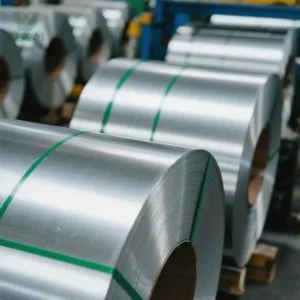
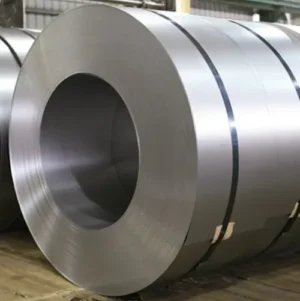
In the realm of material science, tin-plated sheet materials have long been valued for their unique properties that make them suitable for a wide array of applications, from food packaging to electronics. However, like many materials, they are susceptible to degradation over time due to oxidation. Implementing effective long-term antioxidation protection strategies is crucial to ensure the longevity and performance of these materials. This article delves into various strategies that can be employed to provide sustained protection against oxidative damage, thereby extending the service life of tin-plated sheet materials. One of the primary methods for antioxidation protection involves the application of coatings.
These coatings act as a barrier between the tin-plated surface and the external environment, preventing oxygen and moisture from coming into contact with the material. Common coating materials include polymers, which can be applied through techniques such as dipping or vacuum deposition. These coatings not only prevent oxidation but also offer additional benefits like improved corrosion resistance and enhanced aesthetic appeal. Another important strategy is the use of antioxidants. These compounds are specifically designed to neutralize free radicals and inhibit the oxidative process.
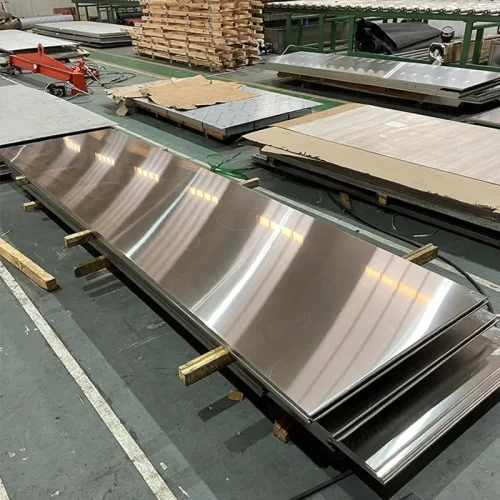
Antioxidants can be incorporated into the coating materials or applied directly to the tin-plated sheets. They work by breaking the chain reaction that leads to oxidative degradation, thereby protecting the material from further damage. Regular maintenance and inspection are also critical components of long-term antioxidation protection. This involves monitoring the condition of the tin-plated sheets for any signs of oxidation or coating degradation. If any issues are detected, prompt repairs or reapplication of protective measures can prevent further deterioration. Additionally, environmental controls play a significant role in preventing oxidation. By storing and handling tin-plated sheet materials in conditions with controlled humidity and temperature, the risk of oxidative damage can be significantly reduced. Exposure to extreme temperatures or high humidity levels can accelerate the oxidative process, making it essential to maintain optimal storage conditions. In industrial applications, where tin-plated sheets are subjected to harsh conditions, incorporating design elements that promote airflow and reduce moisture retention can also help in minimizing oxidative degradation.
For instance, ensuring proper ventilation in storage areas or designing products with drainage systems can prevent the accumulation of moisture, which is a key factor in the oxidation process. Furthermore, the selection of appropriate base materials for tin plating can influence the overall antioxidation performance. Materials with inherent low reactivity or those that form stable oxide layers can provide better protection against oxidative damage. Research and development in this field continue to yield innovative solutions for enhancing the antioxidation properties of tin-plated sheet materials. Advances in coating technologies, such as nanotechnology-based coatings, offer superior barrier properties and can significantly extend the lifespan of these materials. In conclusion, long-term antioxidation protection strategies for tin-plated sheet materials are multifaceted and require a combination of coating applications, antioxidant treatments, regular maintenance, and environmental controls. By implementing these strategies, the integrity and performance of tin-plated sheet materials can be maintained over extended periods, ensuring their continued effectiveness in various applications.
These measures not only protect the material from oxidative degradation but also contribute to cost savings by reducing the need for frequent replacements or repairs. As the demand for durable and reliable materials grows, the importance of these antioxidation protection strategies cannot be overstated. Through continuous innovation and careful application of these methods, the longevity and utility of tin-plated sheet materials can be significantly enhanced, meeting the evolving needs of industries worldwide.





 English
  Japanese
  Korean
  French
  German
  Spanish
  Portuguese
  Russian
  Arabic
  Italian
  Turkish
  Dutch
Dutch  Polish
  Swedish
  Danish
  Norwegian
  Finnish
  Greek
Greek  Hungarian
  Czech
Czech  Romanian
  Bulgarian
  Slovenian
  Croatian
  Slovak
  Malay
Malay  Indonesian
  Thai
Thai  Vietnamese
  Myanmar
  Khmer
Khmer  Lao
Lao  Tagalog
  Hindi
Hindi  Bengali
  Urdu
Urdu  Nepali
  Sinhala
  Hebrew
  Ukrainian
  Serbian
  Icelandic
  Swahili