

टिनप्लेट के लिए कच्चे माल आधार सामग्री के चयन हेतु प्रमुख बिंदु
When it comes to the selection of raw material base materials for tinplate, there are several critical factors that must be taken into consideration to ensure the final product meets the required standards for quality, durability, and performance. The base material plays a pivotal role in determining the overall characteristics of the tinplate, including its corrosion resistance, strength, and ease of forming. Understanding these key points is essential for manufacturers and suppliers in the industry to make informed decisions that align with their specific needs and applications.
One of the primary considerations in selecting the base material for tinplate is the type of steel used. The most common types of steel employed in tinplate production are low-carbon steel and high-carbon steel. Low-carbon steel is preferred for its excellent formability and ductility, which allows for easy shaping and bending without cracking. This makes it ideal for applications where the tinplate needs to be flexed or folded frequently, such as in food cans and packaging. On the other hand, high-carbon steel offers greater strength and rigidity, making it suitable for more demanding applications that require a higher level of durability and resistance to deformation. The choice between low-carbon and high-carbon steel will depend on the specific requirements of the end product, including the intended use, environmental conditions, and mechanical stresses it will encounter.
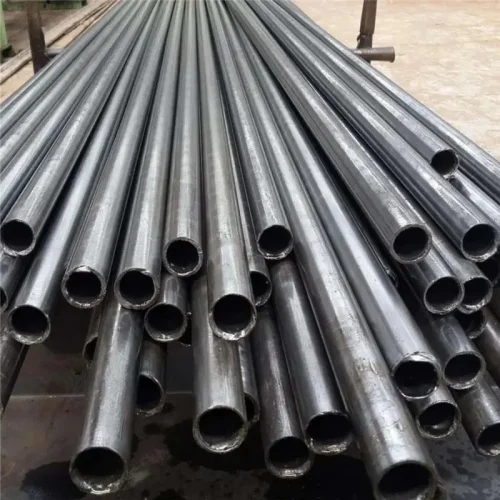
Another important factor to consider is the coating of the tinplate. The tin coating provides a barrier against corrosion and prevents the underlying steel from rusting, which is crucial for applications involving food and beverages. The thickness and uniformity of the tin coating are critical, as they directly impact the protective properties of the tinplate. A thicker coating offers better protection but may increase the cost, while a thinner coating may be more economical but less durable. It is essential to strike a balance between cost and performance to meet the specific needs of the application. In addition to the type of steel and the tin coating, the surface finish of the base material is also a key consideration. A smooth and uniform surface finish is desirable for applications where the tinplate will be in direct contact with food or beverages, as it ensures better hygiene and prevents contamination. The surface finish can also affect the aesthetic appeal of the product, particularly in packaging applications where visual appeal is important.
Furthermore, the environmental impact of the base material should be taken into account. The use of recyclable materials, such as steel, is beneficial for reducing the environmental footprint of tinplate production. Steel is highly recyclable and can be reused multiple times without losing its quality, making it an eco-friendly choice for base materials. Additionally, efforts should be made to minimize the use of resources and energy during the production process to further reduce the environmental impact. Quality control is another critical aspect of selecting the base material for tinplate. The raw materials must be carefully inspected and tested to ensure they meet the required specifications and standards.
This includes checking the chemical composition of the steel, the thickness and uniformity of the tin coating, and the surface finish. By implementing stringent quality control measures, manufacturers can ensure that the final product meets the highest standards of quality and performance. In conclusion, the selection of raw material base materials for tinplate involves a careful evaluation of various factors, including the type of steel, the tin coating, the surface finish, environmental impact, and quality control.
Each of these factors plays a significant role in determining the overall characteristics and performance of the tinplate, making it essential for manufacturers and suppliers to make informed decisions that align with their specific needs and applications. By considering these key points, the industry can produce high-quality tinplate products that meet the demands of a wide range of applications, from food packaging to industrial uses, while also minimizing environmental impact and ensuring long-term durability and performance.
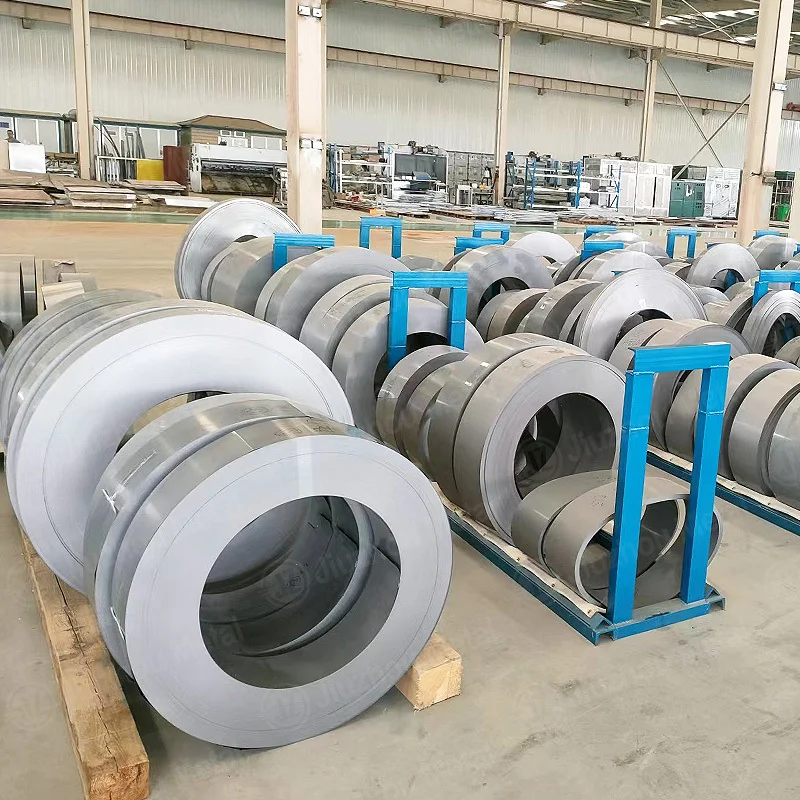
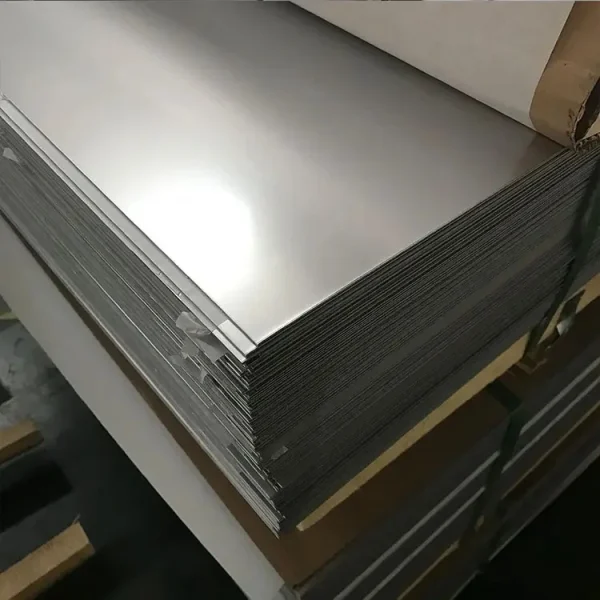







 English
  Japanese
  Korean
  French
  German
  Spanish
  Portuguese
  Russian
  Arabic
  Italian
  Turkish
  Dutch
Dutch  Polish
  Swedish
  Danish
  Norwegian
  Finnish
  Greek
Greek  Hungarian
  Czech
Czech  Romanian
  Bulgarian
  Slovenian
  Croatian
  Slovak
  Malay
Malay  Indonesian
  Thai
Thai  Vietnamese
  Myanmar
  Khmer
Khmer  Lao
Lao  Tagalog
  Hindi
Hindi  Bengali
  Urdu
Urdu  Nepali
  Sinhala
  Hebrew
  Ukrainian
  Serbian
  Icelandic
  Swahili