

hemical Composition Analysis of Silicon Steel Sheets
I. Core Constituents of Silicon Steel Sheets
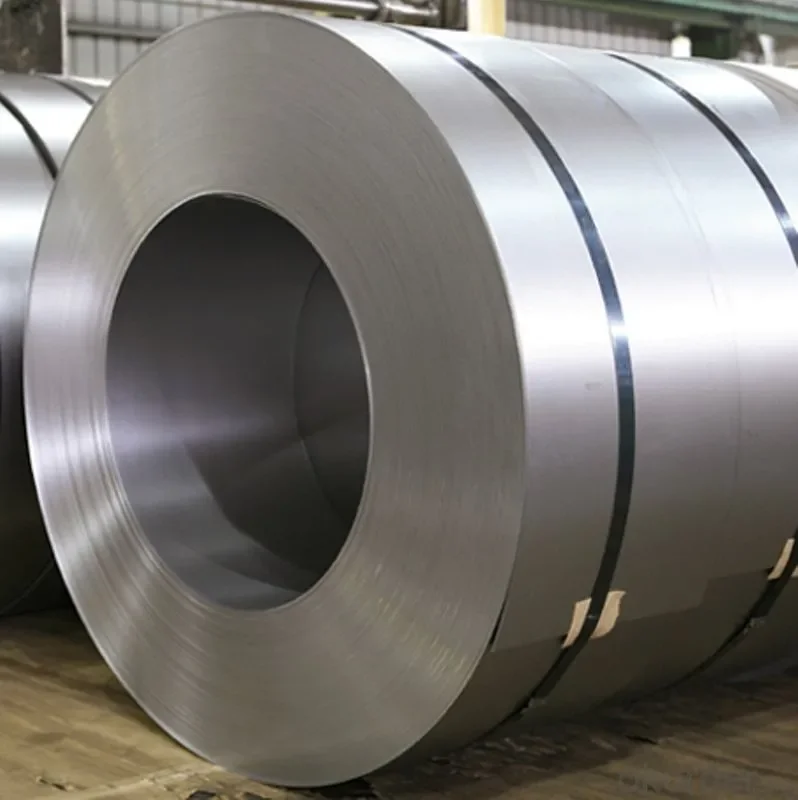
As a typical type of electrical steel, silicon steel sheets are fundamentally iron-silicon alloys. The silicon mass fraction normally ranges from 0.5% to 4.5%, a ratio that directly determines the material’s electrical resistivity and magnetic permeability. Silicon functions like built-in insulating barriers within the iron matrix, which drastically suppresses eddy current loss yet reduces mechanical strength at the same time.
II. Precise Proportions of Trace Elements
Apart from iron and silicon, silicon steel contains a series of trace alloying elements:
- Carbon: Limited below 0.005% to avoid carbide precipitation that impairs magnetic properties
- Manganese: 0.1%–0.3% to improve hot workability
- Sulfur & Phosphorus: Strictly restricted to trace amounts to prevent excessive brittleness
- Aluminum: Added at 0.2%–0.5% in certain grades for deoxidation and grain refinement
III. Balanced Design Between Chemical Composition and Material Performance
The compositional design of silicon steel strikes a delicate balance between electromagnetic and mechanical properties:
- Higher silicon content cuts hysteresis loss, yet raises difficulty in stamping and forming
- Minor aluminum additions refine grain structure and boost magnetic induction
- Ultra-low carbon formulation guarantees excellent soft magnetic characteristics
This highly precise chemical formula enables silicon steel sheets to perform vital functions inside transformers and electric motors.





 English
  Japanese
  Korean
  French
  German
  Spanish
  Portuguese
  Russian
  Arabic
  Italian
  Turkish
  Dutch
Dutch  Polish
  Swedish
  Danish
  Norwegian
  Finnish
  Greek
Greek  Hungarian
  Czech
Czech  Romanian
  Bulgarian
  Slovenian
  Croatian
  Slovak
  Malay
Malay  Indonesian
  Thai
Thai  Vietnamese
  Myanmar
  Khmer
Khmer  Lao
Lao  Tagalog
  Hindi
Hindi  Bengali
  Urdu
Urdu  Nepali
  Sinhala
  Hebrew
  Ukrainian
  Serbian
  Icelandic
  Swahili