

Can transformer steel undergo shearing, blanking and laser cutting
Introduction
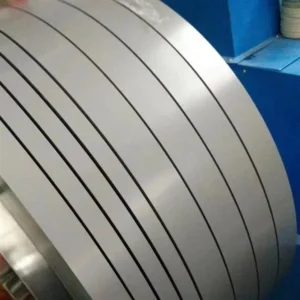
Transformer steel plays a key role in electrical equipment. It carries magnetic flux with very low loss. Manufacturers often ask if this material can be cut or shaped easily. In fact, shearing, blanking, and laser cutting are common methods. Each process has benefits and limits. This article explains how each method works on transformer steel. It also covers practical concerns for production teams.
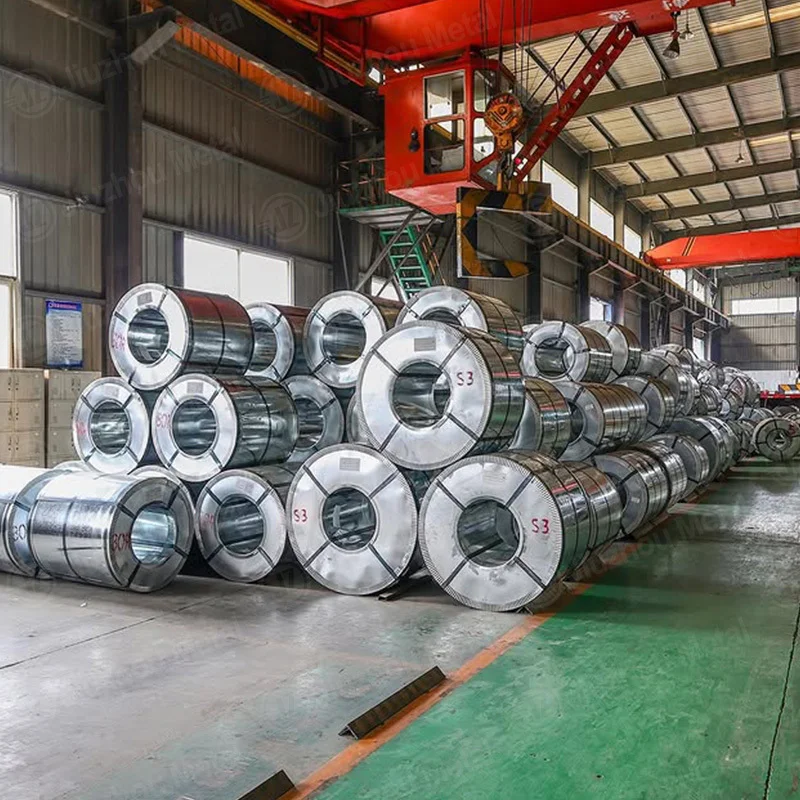
Shearing Transformer Steel
Shearing uses straight blades to cut flat sheets. This method suits transformer steel quite well. The process works fast for long, straight cuts. It also keeps material waste low. However, shearing creates some edge stress. That stress can raise core loss slightly. For thin grades, shearing remains a good choice. Operators must keep blades sharp and aligned. A clean cut reduces burrs and cracks. In short, shearing is reliable for basic sizing tasks.
Blanking Transformer Steel
Blanking punches a shape from a steel strip. It works well for high-volume production runs. The tooling costs more upfront than shearing. Yet the speed and repeatability pay off later. Transformer steel responds to blanking with care. The punch and die need tight clearance. Too much clearance causes edge burrs. Too little clearance wears the tool quickly. Annealing after blanking can relieve stress. That step helps restore magnetic properties. Overall, blanking fits large orders with fixed shapes.
Laser Cutting Transformer Steel
Laser cutting uses a focused beam to melt or vaporize metal. This method gives high precision and complex shapes. It avoids mechanical force on the sheet. That means less distortion for thin transformer steel. However, laser cutting creates a heat-affected zone. That zone can change magnetic domain structure. As a result, core loss may increase near the cut edge. Users often need to adjust design or post-process. For prototypes or small batches, laser cutting offers flexibility. For thick sheets, the speed drops and edge quality varies.
Comparing the Three Methods
Each process has a distinct place in production. Shearing wins for straight cuts and low cost. Blanking excels in mass production with dedicated tools. Laser cutting provides freedom for complex or custom parts. Material thickness guides the choice as well. Thin transformer steel handles all three methods. Thick sheets favor shearing or blanking over laser. Edge quality also matters for magnetic performance. Sheared and blanked edges need stress relief sometimes. Laser edges need attention to heat damage. A balanced view helps engineers pick the right tool.
Practical Advice for Manufacturers
Start by defining the final core shape and volume. For simple rectangles, shearing is often enough. For thousands of identical pieces, invest in blanking dies. For one-off or intricate designs, use laser cutting. Always test a sample before full production. Measure core loss after each cutting method. If loss rises too much, consider annealing. Keep blades and dies in good condition. Clean edges reduce later processing problems. Train operators on proper settings and handling. These steps protect both quality and cost.
סיכום
Transformer steel can undergo shearing, blanking, and laser cutting. No single method fits every job. Shearing offers speed and simplicity. Blanking delivers repeatability for large runs. Laser cutting brings precision for complex shapes. Each method affects magnetic properties in its own way. By matching the process to the part and volume, teams achieve good results. Careful setup and testing remain essential. With the right approach, transformer steel serves its purpose well.







 English
  Japanese
  Korean
  French
  German
  Spanish
  Portuguese
  Russian
  Arabic
  Italian
  Turkish
  Dutch
Dutch  Polish
  Swedish
  Danish
  Norwegian
  Finnish
  Greek
Greek  Hungarian
  Czech
Czech  Romanian
  Bulgarian
  Slovenian
  Croatian
  Slovak
  Malay
Malay  Indonesian
  Thai
Thai  Vietnamese
  Myanmar
  Khmer
Khmer  Lao
Lao  Tagalog
  Hindi
Hindi  Bengali
  Urdu
Urdu  Nepali
  Sinhala
  Hebrew
  Ukrainian
  Serbian
  Icelandic
  Swahili