
Technical Iteration Direction of Electrical Steel for New Energy Vehicle Drive Motors
New energy vehicle popularization drives rapid technical iteration of motor-use electrical steel. Drive motors serve as the core power component of electric vehicles. Their efficiency, weight and stability directly affect vehicle endurance and safety. Electrical steel acts as the key core material for motor stator and rotor iron cores.
First, ultra-thin gauge becomes a basic iteration trend for automotive electrical steel. Traditional industrial motors adopt 0.35mm and 0.50mm electrical steel. New energy vehicle motors run at higher working frequencies. Higher frequencies easily generate excessive eddy current loss. Ultra-thin electrical steel of 0.20mm to 0.25mm effectively cuts eddy current loss. It improves high-frequency operating efficiency of drive motors significantly.
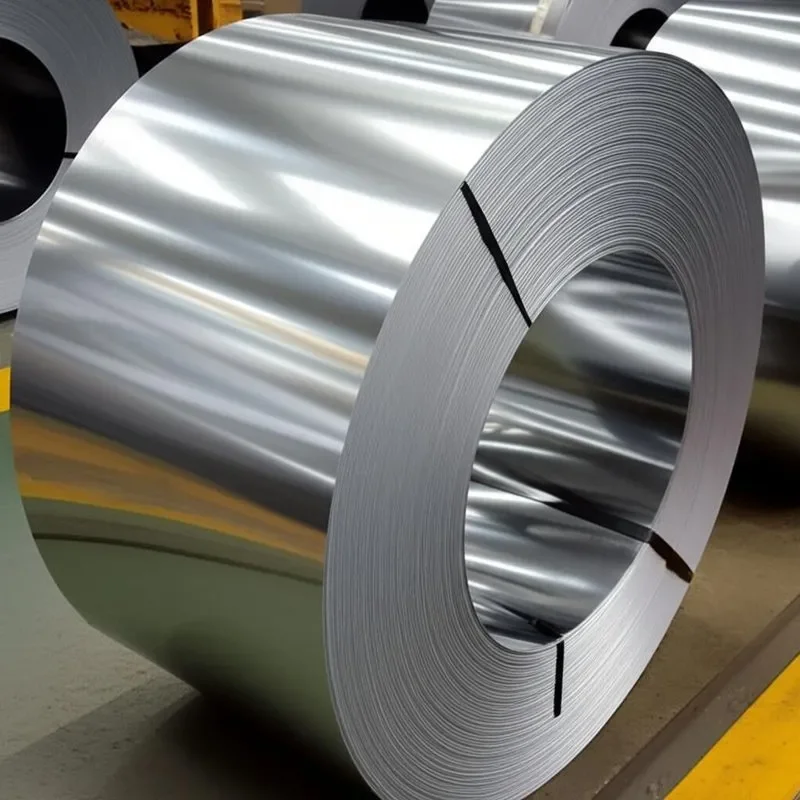
Second, ultra-low iron loss performance becomes a rigid technical requirement. Vehicle endurance is the core competitive index of electric vehicles. Low core loss electrical steel reduces motor energy consumption during operation. It converts more electric energy into mechanical power. Current technical iteration focuses on lowering high-frequency iron loss under 400Hz to 800Hz working conditions.
Third, high magnetic induction property gets continuous optimization for miniaturization needs. Vehicle motors require small size and high power density. High-bias electrical steel provides stronger magnetic flux in limited space. It helps motor manufacturers reduce core volume and overall motor weight. Lightweight design further promotes vehicle energy saving and endurance improvement.
Fourth, mechanical performance enhancement adapts complex vehicle working conditions. Automotive drive motors face frequent vibration and temperature changes. Iterated electrical steel improves yield strength and surface stability. It avoids magnetic performance attenuation under long-term vibration. It also resists performance degradation caused by repeated temperature shocks.
Fifth, surface coating technology upgrades improve motor safety and durability. New electrical steel insulating coatings show better heat resistance and corrosion resistance. Advanced coatings prevent interlayer short circuits during high-speed motor operation. They also reduce noise generated by magnetic vibration during vehicle driving.
Sixth, low magnetic aging performance becomes a key research direction. Vehicle motors work continuously for years under dynamic loads. Ordinary electrical steel suffers magnetic aging and efficiency decline. New iteration electrical steel suppresses magnetic aging effectively. It maintains stable motor performance throughout the vehicle service life.
Overall, new energy vehicle motor electrical steel iterates toward thin gauge, low loss, high magnetism and high stability. Future technical research will balance magnetic performance and mechanical strength. It will also adapt to ultra-high frequency and high-power motor development needs.





 English
  Japanese
  Korean
  French
  German
  Spanish
  Portuguese
  Russian
  Arabic
  Italian
  Turkish
  Dutch
Dutch  Polish
  Swedish
  Danish
  Norwegian
  Finnish
  Greek
Greek  Hungarian
  Czech
Czech  Romanian
  Bulgarian
  Slovenian
  Croatian
  Slovak
  Malay
Malay  Indonesian
  Thai
Thai  Vietnamese
  Myanmar
  Khmer
Khmer  Lao
Lao  Tagalog
  Hindi
Hindi  Bengali
  Urdu
Urdu  Nepali
  Sinhala
  Hebrew
  Ukrainian
  Serbian
  Icelandic
  Swahili