

The differences when selecting magnetic flux density Bm of 1.5T, 1.6T and 1.7T
Introduction
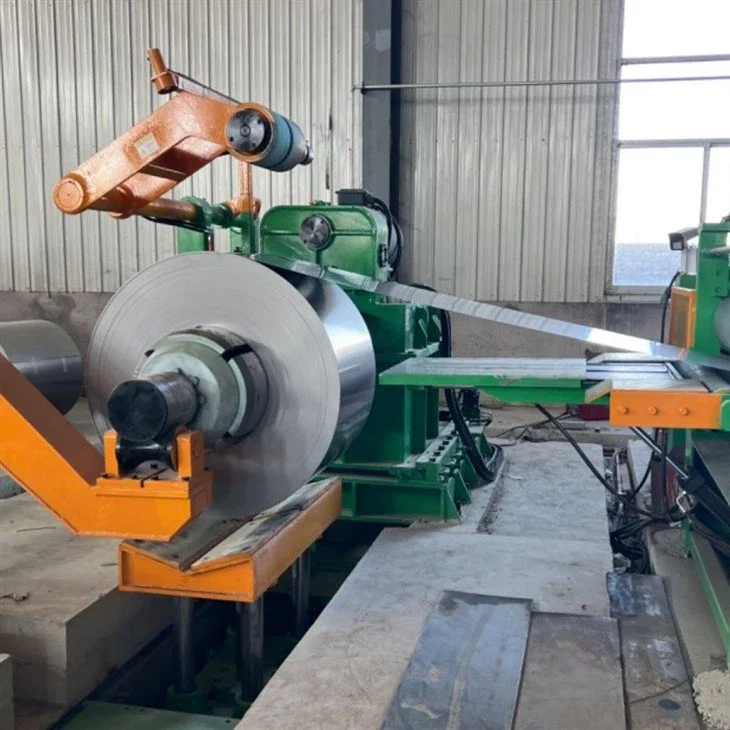
Selecting the right magnetic flux density matters in motor and transformer design. Engineers often compare 1.5T, 1.6T, and 1.7T. Each level brings trade-offs in loss, cost, and size. This article explains those differences clearly. It helps you choose wisely for your application.
Core Loss and Heat Generation
Higher flux density increases core loss. At 1.5T, loss stays relatively low. Heat buildup is easier to manage. At 1.6T, loss rises moderately. Cooling needs may grow slightly. At 1.7T, loss climbs sharply. This can stress insulation and bearings. Therefore, thermal design becomes more critical. You must check the material’s loss curve. Silicon steel grades differ in this respect. So, always verify data from your supplier.
Material Saturation and Permeability
Every magnetic material has a saturation limit. At 1.5T, most steels operate safely below saturation. Permeability remains stable. At 1.6T, you get closer to the knee point. Performance stays acceptable for many designs. At 1.7T, saturation risk increases. Permeability drops faster. This can distort current waveforms. It may also raise magnetizing current. As a result, control becomes harder. Choose 1.7T only with high-quality steel. Even then, monitor saturation margins.
Size and Weight Implications
Higher flux density allows smaller cores. At 1.5T, cores are larger and heavier. At 1.6T, you achieve a modest size reduction. At 1.7T, size shrinks further. Weight also drops. This benefits electric vehicles and aerospace. However, smaller cores may need better cooling. They can also be more sensitive to manufacturing tolerances. So, weigh size gains against thermal and mechanical risks.
Efficiency and Operational Cost
Efficiency depends on total loss. At 1.5T, efficiency is often high. Loss stays low across load ranges. At 1.6T, efficiency may dip slightly. But copper loss can decrease due to fewer turns. At 1.7T, core loss dominates. Efficiency may fall unless you use premium steel. Over time, energy cost matters. A lower flux density can save electricity. Yet a higher one may reduce material cost. Balance both for the best return.
Mechanical Stress and Noise
Magnetic forces cause vibration. At 1.5T, noise and stress are mild. At 1.6T, they increase a bit. At 1.7T, noise and stress become pronounced. This can shorten bearing life. It may also require extra acoustic treatment. For noise-sensitive applications, prefer 1.5T or 1.6T. For compact industrial drives, 1.7T may still work. Always test prototypes under real loads.
Selecting the Right Bm for Your Design
The best choice depends on your priorities. Choose 1.5T for low loss and long life. Choose 1.6T for a balanced design. Choose 1.7T for extreme compactness. Consider the steel grade, cooling, and duty cycle. Also review cost targets and reliability needs. A simple rule helps: start at 1.5T, then push higher only if needed. Validate with thermal and magnetic simulations. Then confirm with physical tests.
Conclusion
Comparing 1.5T, 1.6T, and 1.7T reveals clear trade-offs. Higher flux density shrinks size but raises loss and stress. Lower density improves efficiency and thermal margin. The right value matches your application goals. Use this guide to make a confident, data-driven decision. Always verify with your material supplier and prototype testing.



 English
  Japanese
  Korean
  French
  German
  Spanish
  Portuguese
  Russian
  Arabic
  Italian
  Turkish
  Dutch
Dutch  Polish
  Swedish
  Danish
  Norwegian
  Finnish
  Greek
Greek  Hungarian
  Czech
Czech  Romanian
  Bulgarian
  Slovenian
  Croatian
  Slovak
  Malay
Malay  Indonesian
  Thai
Thai  Vietnamese
  Myanmar
  Khmer
Khmer  Lao
Lao  Tagalog
  Hindi
Hindi  Bengali
  Urdu
Urdu  Nepali
  Sinhala
  Hebrew
  Ukrainian
  Serbian
  Icelandic
  Swahili