

Resistance Performance of Tin-Plated Sheet Material in Acidic and Alkaline Environments
The resistance performance of tin-plated sheet material in acidic and alkaline environments is a critical aspect to consider in various industrial applications. Tin-plated sheet material is widely used due to its excellent corrosion resistance and cost-effectiveness. However, its performance can be significantly affected by exposure to acidic and alkaline substances, which are common in many industrial processes. Understanding the behavior of tin-plated sheet material in these environments is essential for ensuring its longevity and reliability in applications such as food packaging, electronics, and automotive components.
In acidic environments, the tin layer on the sheet material can undergo corrosion, leading to the formation of tin dioxide and other compounds. This corrosion process can weaken the material, reducing its structural integrity and functionality. The rate of corrosion depends on the concentration and pH of the acid, as well as the duration of exposure.
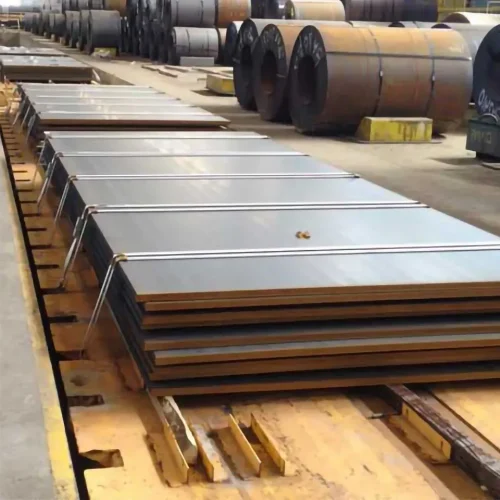
For instance, in highly acidic conditions, the tin layer may deteriorate rapidly, while in mildly acidic environments, the corrosion process might be slower. Alkaline environments also pose a significant challenge to tin-plated sheet material. In the presence of alkaline substances, the tin layer can experience pitting and etching, which can compromise the material’s surface finish and protective properties. The alkaline degradation can lead to the formation of tin hydroxides and other compounds, further weakening the material. The impact of alkaline environments on tin-plated sheet material is influenced by factors such as temperature, concentration of alkaline solutions, and exposure time. To mitigate the effects of both acidic and alkaline environments, various protective measures can be employed. Coating the tin-plated sheet material with additional protective layers, such as chromium or nickel, can enhance its resistance to corrosion. Additionally, using inhibitors in the environment can help slow down the corrosion process by forming a protective film on the surface of the material.
In industrial settings, it is crucial to select the appropriate tin-plated sheet material that can withstand the specific conditions of the application. Material selection should consider the types of acidic and alkaline substances the material will be exposed to, as well as the operating temperature and pressure. Regular inspection and maintenance of tin-plated sheet material can also help identify and address any signs of corrosion early on, preventing further damage and extending the material’s service life. In conclusion, the resistance performance of tin-plated sheet material in acidic and alkaline environments is a complex issue that requires careful consideration.
By understanding the mechanisms of corrosion and implementing appropriate protective measures, the durability and reliability of tin-plated sheet material can be significantly improved, ensuring its effectiveness in various industrial applications.





 English
  Japanese
  Korean
  French
  German
  Spanish
  Portuguese
  Russian
  Arabic
  Italian
  Turkish
  Dutch
Dutch  Polish
  Swedish
  Danish
  Norwegian
  Finnish
  Greek
Greek  Hungarian
  Czech
Czech  Romanian
  Bulgarian
  Slovenian
  Croatian
  Slovak
  Malay
Malay  Indonesian
  Thai
Thai  Vietnamese
  Myanmar
  Khmer
Khmer  Lao
Lao  Tagalog
  Hindi
Hindi  Bengali
  Urdu
Urdu  Nepali
  Sinhala
  Hebrew
  Ukrainian
  Serbian
  Icelandic
  Swahili