
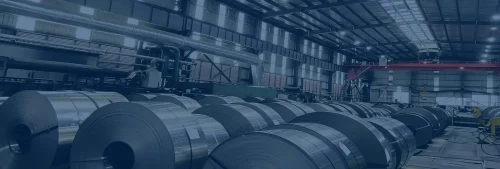
Understanding the Tin-Plated Steel Strip Coiling and Forming Process
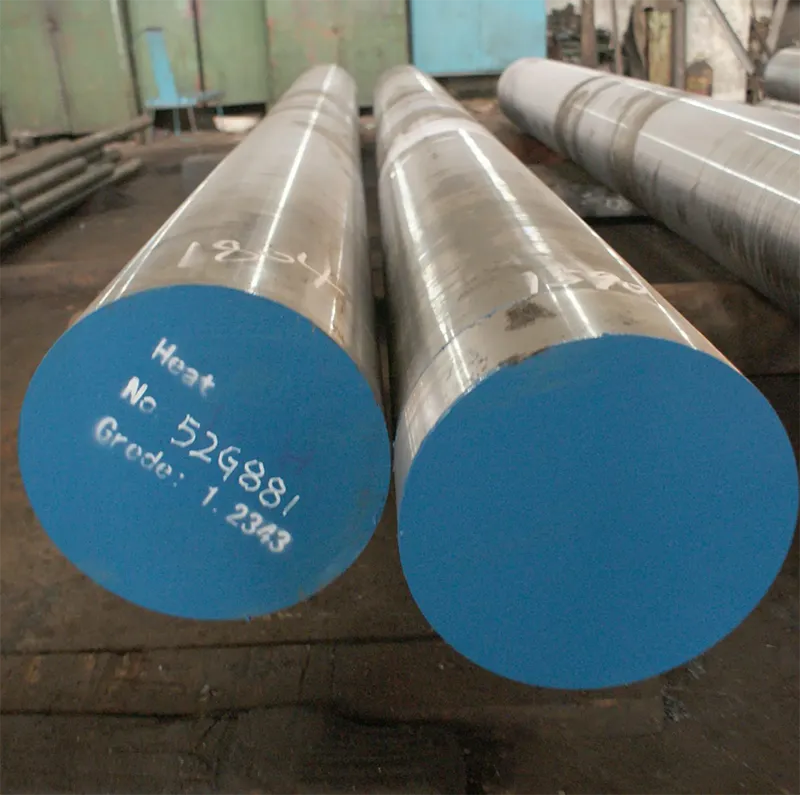
The tin-plated steel strip coiling and forming process is a critical procedure in the manufacturing of various industrial and consumer products. This process involves the transformation of steel strips into coiled forms, which are then shaped to meet specific requirements. Understanding the intricacies of this process is essential for ensuring the quality and functionality of the final products. The process begins with the preparation of the steel strip, which is typically made from low-carbon steel. This steel is chosen for its ductility and ability to be easily coated.
The steel strip is then passed through a series of rollers to achieve the desired thickness and width. These initial steps are crucial in setting the foundation for the subsequent coating and coiling processes. Once the steel strip reaches the desired dimensions, it undergoes a tin-plating process. This involves immersing the strip in a bath of molten tin or applying a tin coating through a chemical process. The tin coating provides several benefits, including corrosion resistance, improved appearance, and enhanced solderability. The thickness of the tin layer can be controlled to meet specific requirements, ensuring that the final product meets industry standards. After the tin-plating process, the steel strip is ready for coiling.
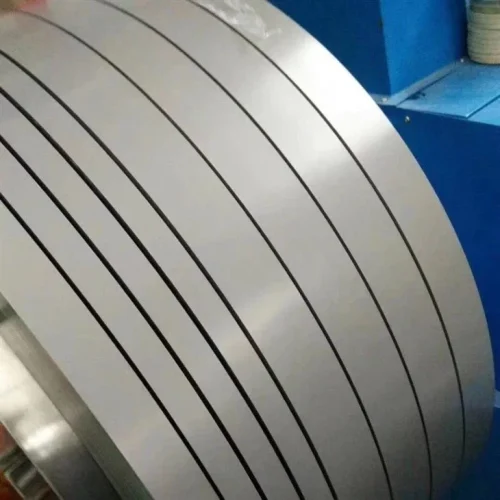
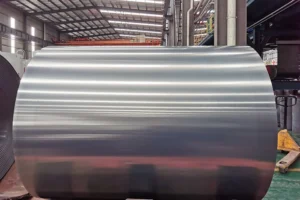
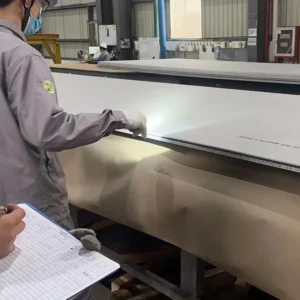
The coiling process involves winding the strip around a mandrel or core to create a coil. This is typically done using automated machinery that ensures uniformity and precision. The coiled steel strip is then inspected for any defects or inconsistencies. This quality control step is essential in ensuring that the final product meets the required specifications. Once the coiling is complete and the product has passed the quality inspection, it is ready for further processing or distribution. The formed coiled steel strips can be used in a wide range of applications, including packaging, automotive parts, and household appliances. The versatility of this process makes it a preferred choice for many industries. In conclusion, the tin-plated steel strip coiling and forming process is a complex yet essential procedure in the manufacturing of various products.
Each step, from the initial preparation of the steel strip to the final coiling and inspection, plays a critical role in ensuring the quality and functionality of the end product. By understanding and optimizing this process, manufacturers can produce high-quality tin-plated steel strips that meet the diverse needs of various industries.



 English
  Japanese
  Korean
  French
  German
  Spanish
  Portuguese
  Russian
  Arabic
  Italian
  Turkish
  Dutch
Dutch  Polish
  Swedish
  Danish
  Norwegian
  Finnish
  Greek
Greek  Hungarian
  Czech
Czech  Romanian
  Bulgarian
  Slovenian
  Croatian
  Slovak
  Malay
Malay  Indonesian
  Thai
Thai  Vietnamese
  Myanmar
  Khmer
Khmer  Lao
Lao  Tagalog
  Hindi
Hindi  Bengali
  Urdu
Urdu  Nepali
  Sinhala
  Hebrew
  Ukrainian
  Serbian
  Icelandic
  Swahili