
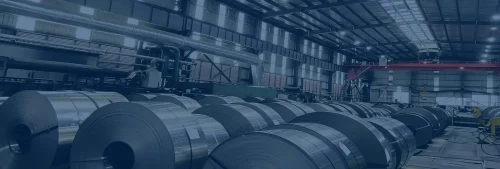
Differences Between Stainless Steel and Silicon Steel
septiembre 14, 2026
Blog
I. Fundamental Differences in Composition Design
Stainless steel and acero al silicio are analogous to two totally distinct categories in the metal industry, with completely different alloy design philosophies:
- Stainless steel relies on chromium-nickel alloys (typically 10%–20% chromium content), equivalent to equipping iron with a rust-proof protective armor.
- Silicon steel is an iron-silicon alloy (1%–4.5% silicon content), where silicon acts as a regulator to guide magnetic flux.
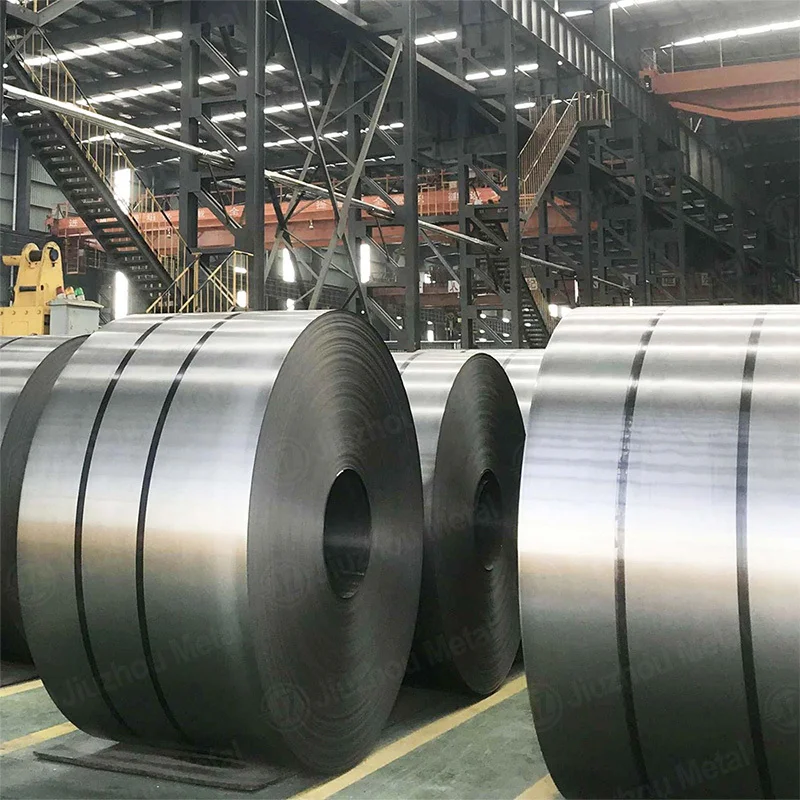
Core distinction: Stainless steel is engineered for outstanding corrosion resistance, while acero al silicio is optimized exclusively for superior electromagnetic performance.
II. Divergent Functional Properties
The two materials deliver drastically different service performances:
- Magnetic & electrical conductivity: The magnetic permeability of silicon steel is over 200 times that of stainless steel, yet its electrical conductivity is relatively lower.
- Temperature tolerance: Stainless steel retains mechanical strength at 800 °C; silicon steel suffers sharp degradation of magnetic properties once temperatures exceed 600 °C.
- Machining characteristics: Stainless steel cutting requires special dedicated tools; silicon steel generates magnetostriction during stamping.

III. Separate Application Scenarios
Their specialized application fields are comparable to strikers and goalkeepers on a football pitch, each with exclusive roles:
- Main applications of stainless steel: Chemical pipelines, medical instruments, food processing equipment and other corrosive working environments.
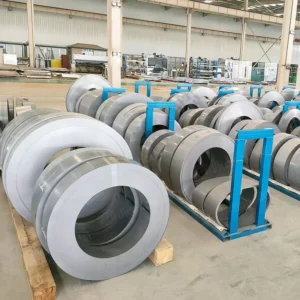
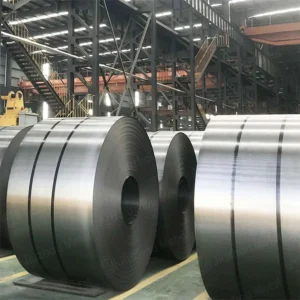
- Main applications of silicon steel: Core components for electromagnetic equipment such as transformer cores, motor stators and rotors.
Interesting overlapping usage: Certain special motors adopt both materials simultaneously — silicon steel forms the magnetic circuit, and stainless steel serves as the outer housing.





 English
  Japanese
  Korean
  French
  German
  Spanish
  Portuguese
  Russian
  Arabic
  Italian
  Turkish
  Dutch
Dutch  Polish
  Swedish
  Danish
  Norwegian
  Finnish
  Greek
Greek  Hungarian
  Czech
Czech  Romanian
  Bulgarian
  Slovenian
  Croatian
  Slovak
  Malay
Malay  Indonesian
  Thai
Thai  Vietnamese
  Myanmar
  Khmer
Khmer  Lao
Lao  Tagalog
  Hindi
Hindi  Bengali
  Urdu
Urdu  Nepali
  Sinhala
  Hebrew
  Ukrainian
  Serbian
  Icelandic
  Swahili