

Why an insulating coating is mandatory for transformer steel
Why an Insulating Coating Is Mandatory for Transformer Steel

Transformer steel sits at the heart of every electrical grid. It carries magnetic flux with very low loss. However, bare steel alone cannot do this job well. An insulating coating is therefore mandatory. This thin layer solves several critical problems at once. It also protects the core for decades of nonstop service.
The Problem With Conductive Cores
Transformer steel conducts electricity quite easily. When magnetic flux changes, it induces voltage inside the core. That voltage drives unwanted circulating currents. These currents are called eddy currents. They flow from one lamination to the next. As a result, they produce heat and waste energy. A single solid core would suffer enormous losses. In large power transformers, those losses could reach dangerous levels. The steel could overheat and fail. Insulation stops this path before it starts.
How the Coating Blocks Eddy Currents
An insulating coating creates a barrier between thin steel sheets. Each sheet is called a lamination. The coating resists current flow across the stack. Consequently, eddy currents stay trapped inside each sheet. Their loops become very small. Small loops mean much lower loss. The coating must survive high temperatures and pressure. It also must resist mechanical stress during winding. Common coatings include ceramic, phosphate, and enamel layers. Each type offers specific benefits for different transformer designs.
Reducing Core Loss and Heat
Core loss has two main parts. Hysteresis loss comes from magnetic reversal. Eddy loss comes from circulating currents. Insulation directly targets the second part. Without it, eddy loss can dominate total loss. The core would run much hotter. Cooling systems would need to be larger. Operating costs would rise every hour. A proper coating cuts eddy loss by a huge margin. This improvement raises efficiency and lowers temperature. It also extends the life of the insulation system around the core.
Protecting Lamination Surfaces
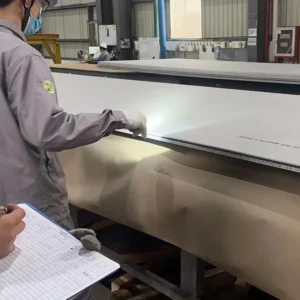
Steel surfaces can oxidize or corrode over time. Moisture and chemicals may attack bare metal. An insulating coating seals the surface from these threats. It prevents rust and surface damage. This protection keeps magnetic properties stable. It also reduces the risk of short circuits between laminations. Even a small short can create a hot spot. That spot may spread and damage the whole core. Coating integrity is therefore a key quality check in production.
Mechanical and Manufacturing Benefits
The coating also helps during manufacturing. Laminations must be stacked tightly and precisely. A smooth coating reduces friction between sheets. It allows clean handling and cutting. It also provides some edge protection. Burrs can pierce insulation and cause faults. A good coating resists that piercing. Furthermore, the coating helps bond layers in some designs. This bonding adds mechanical strength to the core. The core then resists vibration and noise during operation.
Meeting Efficiency Standards
Modern energy rules demand high transformer efficiency. Utilities and industries must reduce wasted power. An insulating coating is a direct way to meet those rules. It lowers no-load loss significantly. It also supports higher flux density operation. Designers can then use less steel for the same power. That saving reduces weight and cost. At the same time, the transformer runs cooler and quieter. These gains matter for both small distribution units and large grid transformers.
Consequences of a Missing Coating
If the coating is absent or damaged, problems appear quickly. Eddy currents rise and heat builds up. Insulation paper may degrade faster. Short circuits between laminations become likely. The core may develop hot spots and local melting. Efficiency drops and operating costs climb. In severe cases, the transformer fails early. Repair is expensive and downtime is costly. Therefore, the coating is not optional. It is a mandatory part of reliable transformer design.
Conclusion: A Small Layer With Huge Value
An insulating coating on transformer steel is mandatory for good reason. It controls eddy currents, cuts losses, and limits heat. It protects against corrosion and mechanical damage. It also helps meet efficiency standards and extend service life. This thin layer costs little compared to its benefits. For any transformer, it ensures stable and efficient performance. Without it, the core cannot serve the grid safely. With it, the transformer delivers power reliably for many years.





 English
  Japanese
  Korean
  French
  German
  Spanish
  Portuguese
  Russian
  Arabic
  Italian
  Turkish
  Dutch
Dutch  Polish
  Swedish
  Danish
  Norwegian
  Finnish
  Greek
Greek  Hungarian
  Czech
Czech  Romanian
  Bulgarian
  Slovenian
  Croatian
  Slovak
  Malay
Malay  Indonesian
  Thai
Thai  Vietnamese
  Myanmar
  Khmer
Khmer  Lao
Lao  Tagalog
  Hindi
Hindi  Bengali
  Urdu
Urdu  Nepali
  Sinhala
  Hebrew
  Ukrainian
  Serbian
  Icelandic
  Swahili