
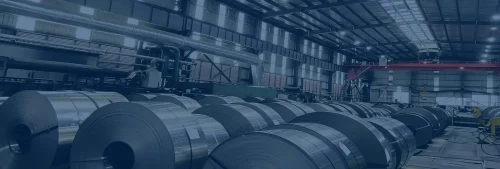
Strictly Controlling the Metal Product Manufacturing Process: Advancing Enterprise Production Progress
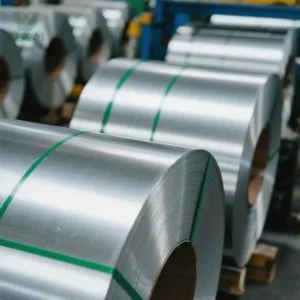
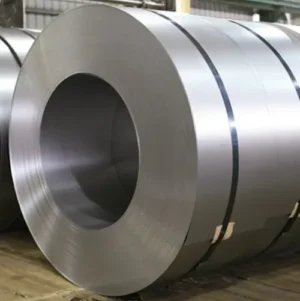
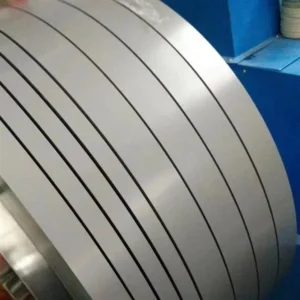
In the realm of industrial manufacturing, the production of metal products stands as a cornerstone of modern infrastructure and technology. The precision and quality of these products are not merely matters of aesthetics but are critical to their functionality and durability. To ensure that metal products meet the highest standards, it is imperative to strictly control every stage of the manufacturing process. This comprehensive approach to production management not only enhances the quality of the final product but also drives the overall progress of enterprise production.
The initial phase of metal product manufacturing involves the selection of raw materials. The properties of these materials directly influence the characteristics of the final product. Therefore, meticulous attention is paid to sourcing high-grade metals that possess the necessary strength, flexibility, and resistance to corrosion. The quality of the raw materials is assessed through various analytical techniques to ensure they comply with industry specifications. Once the raw materials are verified, the next step is shaping and forming. This stage encompasses a series of processes such as casting, forging, and extrusion, each designed to mold the metal into the desired shape and dimensions. Advanced machinery and tools are employed to achieve the required precision, minimizing any deviations from the intended design. The casting process involves pouring molten metal into molds, which are then cooled to solidify the metal. Forging, on the other hand, involves hammering or pressing the metal to achieve the desired shape. Extrusion is used for creating long, uniform profiles by forcing the metal through a die. Each of these methods requires strict control over temperature, pressure, and time to ensure the metal retains its structural integrity. After the metal has been shaped, it undergoes a series of finishing processes to enhance its surface quality and dimensional accuracy. These processes include machining, grinding, and polishing.
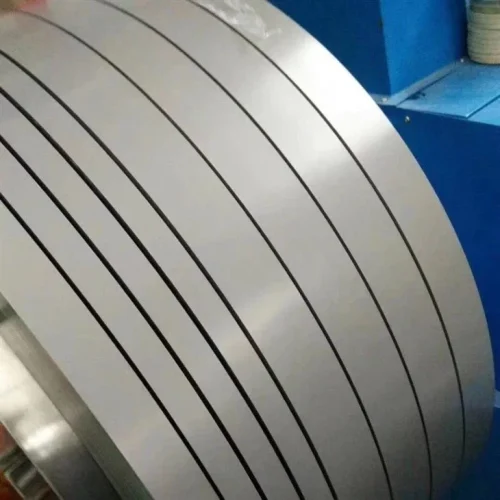
Machining involves removing excess material using cutting tools to achieve the precise dimensions. Grinding further refines the surface by abrading it with abrasive materials. Polishing, the final step in this stage, provides a smooth and lustrous finish. These finishing processes are critical in ensuring that the metal products meet the stringent requirements of various applications. In addition to shaping and finishing, metal products often require heat treatment to alter their physical and sometimes chemical properties. Heat treatment processes such as annealing, quenching, and tempering are employed to enhance strength,硬度, and resistance to wear. Annealing involves heating the metal and then cooling it slowly to soften it and relieve internal stresses. Quenching involves rapid cooling to harden the metal, while tempering involves reheating the metal to a specific temperature and then cooling it to reduce brittleness. The heat treatment process must be carefully controlled to achieve the desired properties without compromising the structural integrity of the metal. Once the metal products have been shaped, finished, and heat-treated, they undergo rigorous testing to ensure they meet the required specifications. Non-destructive testing methods such as X-ray, ultrasonic, and magnetic particle testing are used to detect any internal flaws or defects. These tests are crucial in identifying any issues that could affect the performance and safety of the metal products.
Furthermore, mechanical testing such as tensile and impact testing are conducted to assess the strength and durability of the metal. The results of these tests are analyzed to determine if the products meet the industry standards and customer requirements. In the final stage of metal product manufacturing, quality control measures are implemented to ensure consistency and reliability. This involves continuous monitoring of the production process, from raw material selection to the final product. Statistical process control techniques are used to identify and correct any variations that could affect the quality of the products. Additionally, documentation and traceability systems are maintained to track the production process and ensure that any issues can be quickly identified and addressed.
The strict control of the metal product manufacturing process is not only essential for the quality of the products but also for the advancement of enterprise production. By implementing advanced technologies and methodologies, enterprises can improve their production efficiency, reduce costs, and enhance their competitive edge in the market. The continuous improvement of the manufacturing process also fosters innovation and the development of new metal products that meet the evolving needs of various industries. In conclusion, the production of metal products is a complex and multifaceted process that requires strict control at every stage. From the selection of raw materials to the final testing and quality control, each step is critical in ensuring the highest quality and performance of the products. By adhering to stringent manufacturing standards and continuously improving production techniques, enterprises can achieve excellence in metal product manufacturing and drive the progress of industrial production forward.





 English
  Japanese
  Korean
  French
  German
  Spanish
  Portuguese
  Russian
  Arabic
  Italian
  Turkish
  Dutch
Dutch  Polish
  Swedish
  Danish
  Norwegian
  Finnish
  Greek
Greek  Hungarian
  Czech
Czech  Romanian
  Bulgarian
  Slovenian
  Croatian
  Slovak
  Malay
Malay  Indonesian
  Thai
Thai  Vietnamese
  Myanmar
  Khmer
Khmer  Lao
Lao  Tagalog
  Hindi
Hindi  Bengali
  Urdu
Urdu  Nepali
  Sinhala
  Hebrew
  Ukrainian
  Serbian
  Icelandic
  Swahili