
Can hot-rolled silicon steel still be applied in transformers
Introduction
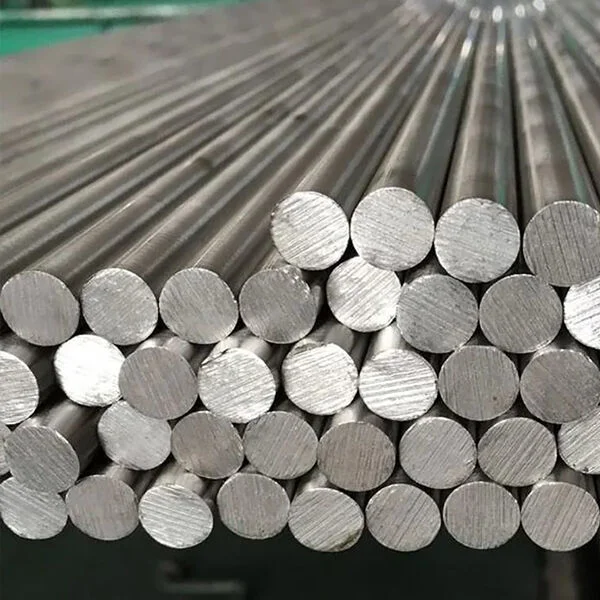
Can hot-rolled Siliziumstahl still be applied in transformers? This question matters for engineers and buyers. The material has a long history in electrical devices. Yet newer options now compete for attention. Hot-rolled Siliziumstahl offers specific advantages. It also faces real limits. This article examines its current role. We will look at performance, cost, and practical use. The goal is a clear, balanced view.
What Is Hot-Rolled Siliziumstahl?
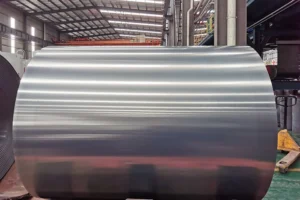
Hot-rolled silicon steel is made by rolling steel at high temperatures. It contains silicon, usually between 1% and 4.5%. This silicon raises electrical resistance. Higher resistance reduces energy loss from eddy currents. The hot-rolling process creates a thicker sheet. It also gives a random grain structure. That structure affects magnetic properties. For decades, this steel was a standard choice. It powered motors, generators, and transformers. Today, cold-rolled steel often replaces it. But hot-rolled silicon steel still has a place.
Key Properties for Transformer Use
A transformer core needs high permeability. It also needs low core loss. Hot-rolled silicon steel provides moderate permeability. Its core loss is higher than cold-rolled grain-oriented steel. For example, typical loss can be 2 to 4 watts per kilogram at 50 Hz. Cold-rolled steel may reach 1 watt per kilogram or less. That difference matters for large power transformers. However, hot-rolled steel costs less. It also handles high temperatures well. These traits suit specific transformer types.
Where Hot-Rolled Silicon Steel Still Works
Small distribution transformers often use hot-rolled silicon steel. These units run at lower power levels. The higher loss is acceptable. Cost savings matter more. Also, some low-frequency transformers use this steel. Frequency below 50 Hz reduces eddy current loss. That makes hot-rolled steel viable. Another use is in older equipment repairs. Matching original materials keeps performance stable. So, the answer is yes for niche applications. But it is not ideal for all transformers.
Limitations and Trade-Offs
Cold-rolled steel dominates modern transformer cores. It offers lower loss and higher efficiency. Energy rules push for better performance. That pressure limits hot-rolled silicon steel use. The material also has a random grain structure. This causes higher hysteresis loss. Hysteresis loss comes from magnetic domain movement. A random structure makes that movement harder. As a result, heat builds up. Cooling systems may need to be larger. That adds cost and size. For large power transformers, this trade-off is often unacceptable.
Cost and Availability Factors
Hot-rolled silicon steel is generally cheaper. Its production process is simpler. That lower price helps small manufacturers. It also helps in regions with limited supply chains. However, availability is shrinking. Many mills focus on cold-rolled products. Buyers may face longer lead times. In some markets, hot-rolled steel is still easy to find. In others, it is becoming rare. A business case must weigh cost against efficiency. For low-duty cycles, the math often favors hot-rolled steel.
Technical Improvements and Alternatives
Some producers improve hot-rolled silicon steel. They add annealing steps. Annealing can reduce internal stress. That slightly lowers core loss. But it cannot match cold-rolled grain-oriented steel. Amorphous steel offers another option. It has very low loss but high cost. Ferrite cores work for high-frequency use. They do not suit power transformers. So, hot-rolled silicon steel remains a middle choice. It is not the best or the worst. It fits a specific performance and budget window.
Conclusion and Value Summary
Can hot-rolled silicon steel still be applied in transformers? Yes, but with clear conditions. It works for small distribution units, low-frequency designs, and repair jobs. It fails for large, high-efficiency power transformers. The material offers lower cost and decent thermal tolerance. It also brings higher core loss and larger size. Engineers should compare total owning cost. They must check local availability. For many niche projects, hot-rolled silicon steel remains a practical answer. For mainstream grid transformers, cold-rolled steel is the better choice. The key is matching material to application. That approach ensures reliable, cost-effective results.




 English
  Japanese
  Korean
  French
  German
  Spanish
  Portuguese
  Russian
  Arabic
  Italian
  Turkish
  Dutch
Dutch  Polish
  Swedish
  Danish
  Norwegian
  Finnish
  Greek
Greek  Hungarian
  Czech
Czech  Romanian
  Bulgarian
  Slovenian
  Croatian
  Slovak
  Malay
Malay  Indonesian
  Thai
Thai  Vietnamese
  Myanmar
  Khmer
Khmer  Lao
Lao  Tagalog
  Hindi
Hindi  Bengali
  Urdu
Urdu  Nepali
  Sinhala
  Hebrew
  Ukrainian
  Serbian
  Icelandic
  Swahili