

Will excessive temperature rise degrade the performance of transformer steel
Introduction

Excessive temperature rise can seriously harm transformer steel. This material sits at the heart of every power transformer. Its magnetic properties control efficiency and losses. When heat builds up beyond safe limits, performance drops. In fact, the question of whether excessive temperature rise degrades transformer steel has a clear answer. Yes, it does. This article explains how heat damages the steel. It also covers the business costs and practical limits.
How Heat Affects Magnetic Domains
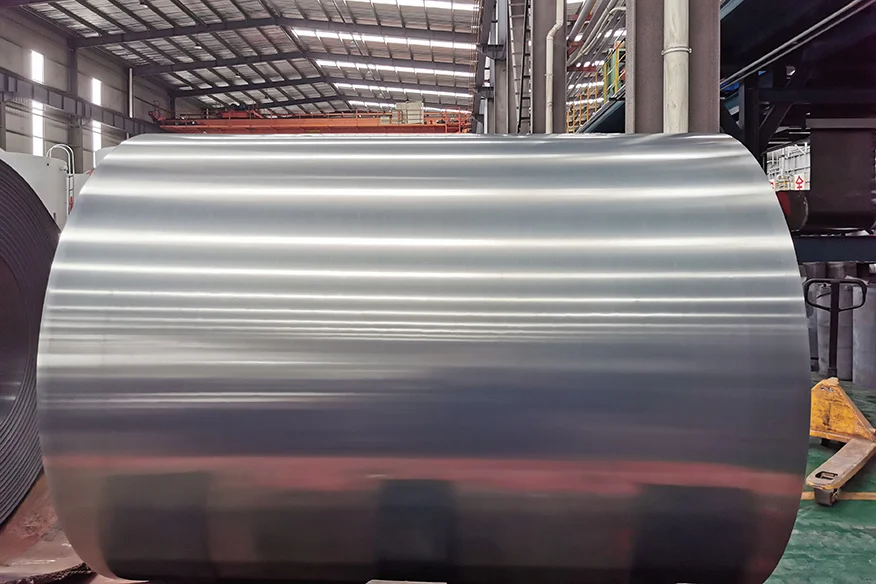
Transformer steel, often called grain-oriented siliciumstål, relies on aligned magnetic domains. These domains move easily under normal temperatures. However, excessive heat disrupts that order. As a result, domain walls face more resistance. This resistance raises hysteresis loss. Hysteresis loss means wasted energy as heat. So, a vicious cycle begins. More heat leads to more loss. More loss creates even more heat. Over time, the steel cannot recover its original domain structure.
Core Losses Rise with Temperature
Core loss includes hysteresis and eddy current losses. Both worsen when temperature rises too high. For instance, eddy currents spread more freely in hot steel. This spread increases resistive heating. At the same time, resistivity may fall slightly. That change allows larger eddy currents. Consequently, total core loss climbs. A 10°C rise above design limits can raise loss by several percent. Such a jump hurts transformer efficiency. It also forces the cooling system to work harder.
Insulation and Coating Damage
Transformer steel usually has a thin insulating coating. This coating blocks eddy currents between laminations. Excessive heat can crack or burn that coating. Once damaged, short circuits form between layers. These shorts create hot spots and more losses. In severe cases, the steel may warp or oxidize. Oxidation changes the surface chemistry. That change further degrades magnetic performance. Therefore, temperature control protects both the steel and its coating.
Long-Term Degradation Mechanisms
Prolonged high temperatures accelerate aging in transformer steel. For example, carbon and other impurities migrate slowly. This migration pins magnetic domain walls. Pinning makes the steel harder to magnetize. As a result, magnetizing current increases. The transformer draws more reactive power. Utilities then face higher transmission losses. In addition, repeated thermal cycling causes mechanical stress. That stress can create microcracks. Over years, these cracks reduce the effective cross-section. Magnetic flux then crowds into smaller areas. Local saturation may occur, which further degrades performance.
Practical Temperature Limits
Manufacturers set safe temperature limits for transformer steel. Typical limits range from 100°C to 120°C for continuous operation. Above these values, degradation speeds up. A short overload might cause temporary loss rise. However, recovery is possible if cooling returns quickly. In contrast, sustained excessive temperature rise causes permanent harm. The steel loses permeability and gains coercivity. Coercivity means the magnetic field needed to reverse magnetization. Higher coercivity equals lower efficiency. Therefore, operators should monitor top-oil and winding temperatures closely.
Business and Reliability Impacts
Degraded transformer steel affects more than efficiency. It raises operating costs through wasted electricity. It also shortens transformer life. Premature failures lead to unplanned outages. For businesses, outages mean lost production and repairs. Data centers, factories, and hospitals all suffer. In addition, replacing a large transformer takes months. The financial impact can reach millions. So, preventing excessive temperature rise is a smart investment. Regular thermal scans and oil tests help detect problems early.
Konklusion
Excessive temperature rise clearly degrades transformer steel. Heat disrupts magnetic domains. It raises core losses and damages insulation coatings. Over time, it causes permanent aging and cracking. These changes reduce efficiency and reliability. To protect performance, keep temperatures within design limits. Use proper cooling, loading, and maintenance. By doing so, you extend transformer life and avoid costly failures. The evidence is strong: temperature control is not optional. It is essential for anyone who depends on transformer steel.





 English
  Japanese
  Korean
  French
  German
  Spanish
  Portuguese
  Russian
  Arabic
  Italian
  Turkish
  Dutch
Dutch  Polish
  Swedish
  Danish
  Norwegian
  Finnish
  Greek
Greek  Hungarian
  Czech
Czech  Romanian
  Bulgarian
  Slovenian
  Croatian
  Slovak
  Malay
Malay  Indonesian
  Thai
Thai  Vietnamese
  Myanmar
  Khmer
Khmer  Lao
Lao  Tagalog
  Hindi
Hindi  Bengali
  Urdu
Urdu  Nepali
  Sinhala
  Hebrew
  Ukrainian
  Serbian
  Icelandic
  Swahili