

Impacts of oil contamination, rust spots and yellow discoloration on transformer steel
Transformer steel plays a critical role in power distribution. However, surface defects often undermine its performance. Three common issues are oil contamination, rust spots, and yellow discoloration. Each defect signals a different underlying problem. Understanding these impacts helps asset managers protect their equipment. This article examines how these conditions affect transformer steel reliability and lifespan. It also offers practical insights for maintenance planning.

How Oil Contamination Affects Transformer Steel
Oil contamination on transformer steel typically comes from leaks or handling errors. The oil itself may seem harmless at first. Yet, over time, it attracts dust and moisture. This mixture creates a conductive film on the steel surface. Consequently, eddy currents increase, causing higher energy losses. The core then generates excess heat. That heat accelerates insulation aging. In severe cases, localized hotspots form. These hotspots can lead to premature failure. Additionally, contaminated oil may contain acidic compounds. Those acids slowly eat into the steel grain structure. As a result, magnetic permeability drops. The transformer must work harder to deliver the same power. Therefore, oil contamination directly reduces efficiency. It also shortens the service life of transformer steel.
The Role of Rust Spots in Steel Degradation
Rust spots indicate active oxidation on transformer steel. Moisture and oxygen drive this chemical reaction. Once rust begins, it spreads beneath the surface. The rust layer disrupts the uniform magnetic path. This disruption causes flux leakage. Flux leakage lowers inductance and raises current draw. Furthermore, rust creates physical pits on the steel. Those pits weaken the core’s mechanical integrity. Vibration during operation can then widen the damage. Eventually, laminations may separate. Separated laminations produce noise and heat. They also reduce the core’s cross-sectional area. A smaller area means higher magnetic resistance. The transformer loses efficiency as a result. Rust spots, therefore, are not just cosmetic. They represent a serious threat to transformer steel performance.
Yellow Discoloration and Its Hidden Risks
Yellow discoloration often appears as a thin surface film. It may result from overheating or chemical exposure. Sometimes, it signals early-stage corrosion. Other times, it reflects oil degradation byproducts. Regardless of the cause, yellow discoloration changes surface properties. The altered surface can trap contaminants. It also affects heat dissipation. Poor heat dissipation leads to thermal stress. That stress can warp the steel over time. Warping changes the core’s magnetic characteristics. In addition, yellow discoloration may indicate insulation breakdown. Breakdown products can react with the steel. Such reactions create weak points. Those weak points become failure origins. Thus, yellow discoloration demands immediate attention. Ignoring it risks unexpected outages and costly repairs.
Combined Effects and Business Consequences
When oil contamination, rust spots, and yellow discoloration occur together, the damage multiplies. Oil holds moisture against rusted areas. Rust then roughens the surface, which traps more oil. Yellow discoloration signals that both processes are advanced. The combined effect is a rapid decline in transformer steel quality. Operators may notice higher no-load losses. They may also see increased temperature rises. These symptoms reduce available capacity. For businesses, that means less reliable power delivery. It also means higher maintenance costs. In worst cases, unplanned downtime disrupts operations. The financial impact can be significant. Therefore, early detection and treatment are essential.
Practical Steps for Mitigation and Care
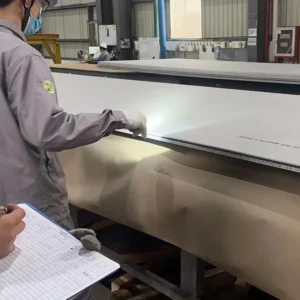
Preventing these defects starts with good handling practices. Store transformer steel in dry, clean conditions. Use protective covers during transport and assembly. Inspect surfaces regularly for early signs of trouble. If oil contamination appears, clean it promptly. Use approved solvents and follow safety guidelines. For rust spots, remove them by gentle abrasion. Then apply a suitable protective coating. Yellow discoloration requires diagnosis first. Identify the root cause before treatment. Sometimes, improving ventilation solves the problem. Other times, replacing affected laminations is necessary. Always document findings for future reference. These steps preserve magnetic properties. They also extend the working life of transformer steel.
Conclusion: Protecting Your Investment
Oil contamination, rust spots, and yellow discoloration each harm transformer steel. They raise losses, reduce efficiency, and invite failure. Yet, these defects are manageable with proper care. Regular inspection and timely action make a difference. By understanding their impacts, you can protect your transformers. That protection ensures stable power and lower long-term costs. Ultimately, proactive maintenance safeguards both equipment and business continuity.





 English
  Japanese
  Korean
  French
  German
  Spanish
  Portuguese
  Russian
  Arabic
  Italian
  Turkish
  Dutch
Dutch  Polish
  Swedish
  Danish
  Norwegian
  Finnish
  Greek
Greek  Hungarian
  Czech
Czech  Romanian
  Bulgarian
  Slovenian
  Croatian
  Slovak
  Malay
Malay  Indonesian
  Thai
Thai  Vietnamese
  Myanmar
  Khmer
Khmer  Lao
Lao  Tagalog
  Hindi
Hindi  Bengali
  Urdu
Urdu  Nepali
  Sinhala
  Hebrew
  Ukrainian
  Serbian
  Icelandic
  Swahili