

What procurement strategies do you recommend for securing CRGO supply?
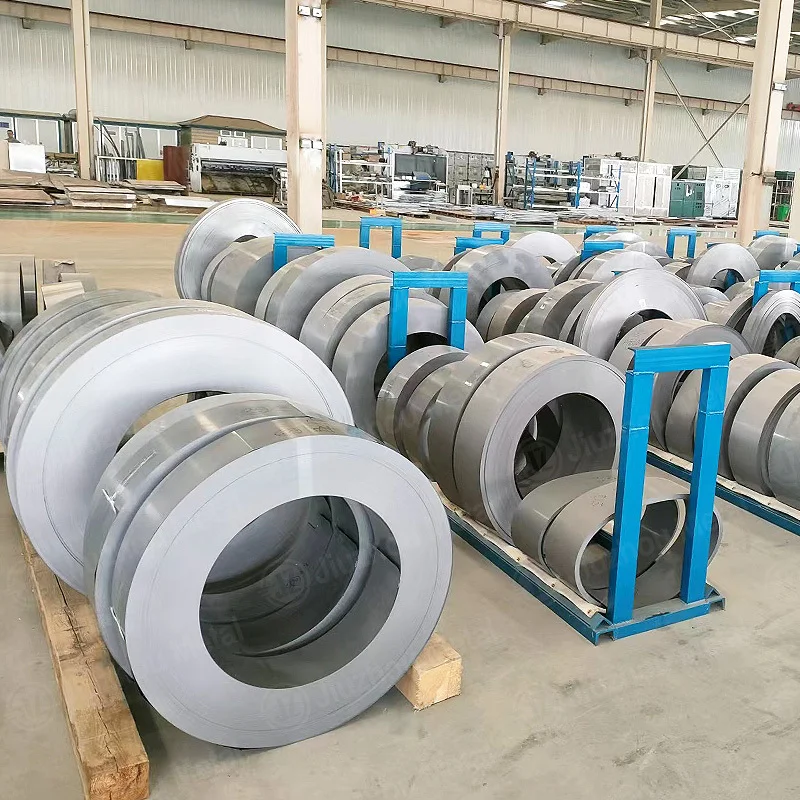
Procurement teams face a tough task today. They must secure CRGO supply without overpaying. CRGO means cold-rolled grain-oriented steel. This material powers transformers and motors. A steady CRGO supply chain protects production. It also stabilizes project timelines. However, global demand often outpaces mill capacity. Therefore, buyers need smart procurement strategies. This article offers practical advice. It focuses on real market conditions. The goal is reliable CRGO access at fair cost.

Build Direct Mill Relationships
First, move away from spot buying. Instead, sign long-term agreements with primary mills. These mills produce CRGO in limited volumes. A direct contract reduces middleman risk. It also gives you priority during shortages. For example, quarterly delivery schedules help planning. In addition, price formulas can link to raw material indexes. This approach avoids sudden cost spikes. Yet, you must commit to minimum volumes. That commitment secures dedicated CRGO supply. Consequently, your operation avoids last-minute scrambles.
Diversify Geographic Sources
Second, avoid single-country dependence. CRGO production concentrates in a few regions. Political or trade issues can disrupt flows. So, qualify suppliers from multiple continents. For instance, combine Asian and European mills. This spread lowers logistics risks. It also creates negotiating leverage. Furthermore, keep a small buffer stock. That stock covers short-term gaps. However, storage costs matter for CRGO. The steel is sensitive to moisture. Therefore, climate-controlled warehousing is essential. A balanced geographic mix protects your CRGO procurement strategy.
Use Strategic Stockpiling
Third, treat inventory as a strategic tool. CRGO prices fluctuate with energy costs. When prices dip, buy extra tonnage. Hold that stock for tight market periods. This tactic smooths budget cycles. It also prevents forced spot purchases. Yet, do not overstock. CRGO has a shelf life under poor conditions. Rotate stock on a first-in, first-out basis. Moreover, track market signals monthly. Energy prices and mill outages offer clues. A disciplined stockpile supports stable CRGO supply.
Leverage Group Purchasing
Fourth, join a buying consortium. Many small manufacturers lack mill access. A consortium aggregates demand. That volume attracts better terms. It also shares logistics costs. For example, a shared container reduces freight fees. In addition, the group can hire a CRGO specialist. That expert monitors quality and delivery. However, consortium rules need clear exit clauses. Otherwise, you may get stuck with poor suppliers. Overall, group buying strengthens your CRGO procurement position.
Invest in Supplier Development
Fifth, help key suppliers improve. Some mills struggle with yield or delivery. Offer technical support or payment flexibility. In return, ask for guaranteed CRGO allocation. This partnership builds loyalty. It also secures capacity during peak seasons. For instance, share your demand forecast early. That data lets the mill plan rolling schedules. As a result, your CRGO supply becomes more predictable. However, avoid overcommitting resources. Keep a backup supplier qualified. That balance protects your firm from sudden failures.
Monitor Trade Policies and Tariffs
Sixth, watch government actions closely. Tariffs on CRGO change quickly. Anti-dumping duties appear without warning. Such moves raise landed costs. Therefore, assign a team member to track trade news. Use customs brokers for early alerts. Also, explore free trade zones. These zones delay duty payments. They also allow light processing. For example, you can cut CRGO to size there. That step reduces tariff exposure. A proactive trade policy review saves money and secures CRGO supply.
الخلاصة
Securing CRGO requires more than low bids. It demands a mix of contracts, diversity, and vigilance. Direct mill ties give priority access. Geographic spread lowers disruption risk. Strategic stockpiles buffer price swings. Group buying boosts bargaining power. Supplier development builds reliable capacity. Trade policy monitoring avoids cost shocks. Together, these strategies form a robust CRGO procurement plan. They protect production and control budgets. Start with one or two actions today. Then expand as market conditions allow. A steady CRGO supply is achievable with careful planning.







 English
  Japanese
  Korean
  French
  German
  Spanish
  Portuguese
  Russian
  Arabic
  Italian
  Turkish
  Dutch
Dutch  Polish
  Swedish
  Danish
  Norwegian
  Finnish
  Greek
Greek  Hungarian
  Czech
Czech  Romanian
  Bulgarian
  Slovenian
  Croatian
  Slovak
  Malay
Malay  Indonesian
  Thai
Thai  Vietnamese
  Myanmar
  Khmer
Khmer  Lao
Lao  Tagalog
  Hindi
Hindi  Bengali
  Urdu
Urdu  Nepali
  Sinhala
  Hebrew
  Ukrainian
  Serbian
  Icelandic
  Swahili