

What is the difference between semi-processed and fully-processed CRNGO?
Understanding Semi-Processed and Fully-Processed CRNGO
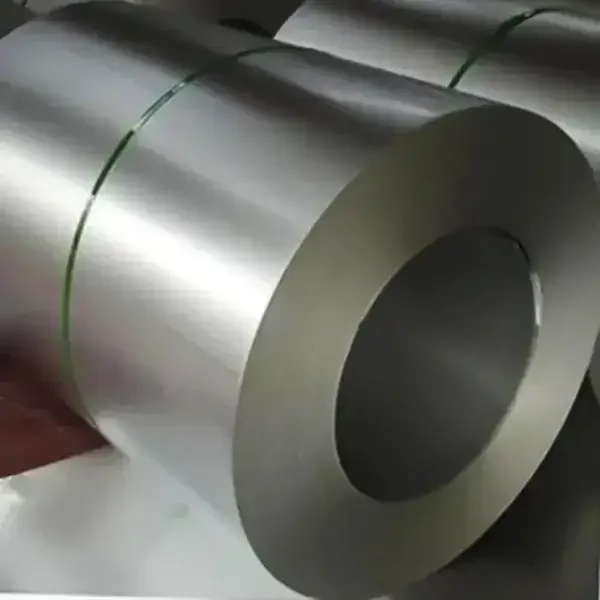
Steel buyers often face a key choice. They must pick between semi-processed and fully-processed CRNGO. This decision affects cost, performance, and production speed. CRNGO stands for cold-rolled non-grain-oriented steel. It powers motors, generators, and transformers. Yet the processing stage changes how you use it. Let us break down the real differences.
What Semi-Processed CRNGO Actually Means
Semi-processed CRNGO arrives at your plant in a softer state. The mill delivers it without a final anneal. Instead, you must punch or cut the steel first. After shaping, you run a final heat treatment. This step removes stress and grows the magnetic grains. As a result, you control the final magnetic properties. However, this extra step takes time and energy. Your team needs a furnace and skilled operators. For small runs, this might feel wasteful. Yet for complex shapes, semi-processed CRNGO offers flexibility. You can tailor the anneal to your exact part. Also, the material stays soft for easy stamping. That reduces tool wear and breakage. So, if you have in-house heat treatment, this option can save money. But if you lack that equipment, it becomes a burden.
What Fully-Processed CRNGO Delivers
Fully-processed CRNGO comes ready to use. The mill already annealed the steel. It has the final magnetic properties you need. You simply punch, cut, or stack it. No further heat treatment is required. Consequently, your production line moves faster. You avoid furnace costs and delays. For high-volume jobs, this efficiency wins. The steel also has a thin oxide coating. That coating improves punchability and reduces friction. Yet you lose some flexibility. You cannot change the magnetic core loss after the fact. So, you must order the exact grade for your application. If your design changes, you may need new material. Still, for most standard motors, fully-processed CRNGO works perfectly. It removes a whole step from your workflow.
Key Differences in Cost and Lead Time
Cost structures differ sharply between these two options. Semi-processed CRNGO often has a lower initial price. The mill skips the final anneal, so it charges less. However, you pay for your own annealing later. That includes electricity, labor, and furnace maintenance. Also, you tie up floor space with heat-treat equipment. Fully-processed CRNGO costs more upfront. But it slashes your internal processing costs. You save on energy and labor. Lead times also vary. Semi-processed steel may ship faster from the mill. Yet your total cycle time grows due to annealing. Fully-processed steel ships with a longer mill lead time. Still, your factory turns it into parts much quicker. So, total cost of ownership depends on your volume and capabilities.
Magnetic Performance and Consistency
Magnetic performance hinges on the annealing step. Semi-processed CRNGO lets you optimize that step. You can adjust temperature and atmosphere. That helps you hit precise core loss targets. But your results depend on your furnace control. Poor annealing causes high losses or brittleness. Fully-processed CRNGO gives you consistent properties. The mill controls the anneal tightly. Every coil behaves the same way. That consistency helps with automated assembly. It also reduces scrap from variable magnetic quality. For critical applications, like electric vehicle motors, fully-processed steel is often preferred. It removes a variable from your process. Semi-processed steel suits niche jobs where you need custom magnetics.
When to Choose Each Type
Choose semi-processed CRNGO if you have heat-treat capacity. It works well for low-to-medium volumes. It also suits complex parts that need a tailored anneal. Choose fully-processed CRNGO for high-volume production. It shines when you lack a furnace or want speed. It also fits standard motor designs. Think about your total cost, not just the steel price. Consider your labor, energy, and scrap rates. A simple rule: if annealing is easy for you, semi-processed may save money. If annealing is a headache, fully-processed is worth the premium. Many manufacturers mix both types across different product lines.
Making the Right Business Decision
In summary, semi-processed and fully-processed CRNGO serve different needs. Semi-processed gives you control and lower material cost. Fully-processed gives you speed and consistency. Neither is universally better. Your choice depends on your factory setup and order profile. Evaluate your annealing costs carefully. Check your production volume and part complexity. Then talk to your steel supplier. They can help you compare grades and coatings. A small trial run often reveals the best path. By matching the processing stage to your workflow, you cut waste and boost profit. That is the real goal for any smart steel buyer.







 English
  Japanese
  Korean
  French
  German
  Spanish
  Portuguese
  Russian
  Arabic
  Italian
  Turkish
  Dutch
Dutch  Polish
  Swedish
  Danish
  Norwegian
  Finnish
  Greek
Greek  Hungarian
  Czech
Czech  Romanian
  Bulgarian
  Slovenian
  Croatian
  Slovak
  Malay
Malay  Indonesian
  Thai
Thai  Vietnamese
  Myanmar
  Khmer
Khmer  Lao
Lao  Tagalog
  Hindi
Hindi  Bengali
  Urdu
Urdu  Nepali
  Sinhala
  Hebrew
  Ukrainian
  Serbian
  Icelandic
  Swahili